Biotin shows up on shampoo bottles, hair gummies and lots of biotin supplements. So what does biotin do, and do you need more of it? As a physician, I hear this question almost every week. The honest answer is more interesting than the marketing, so let's walk through it together.
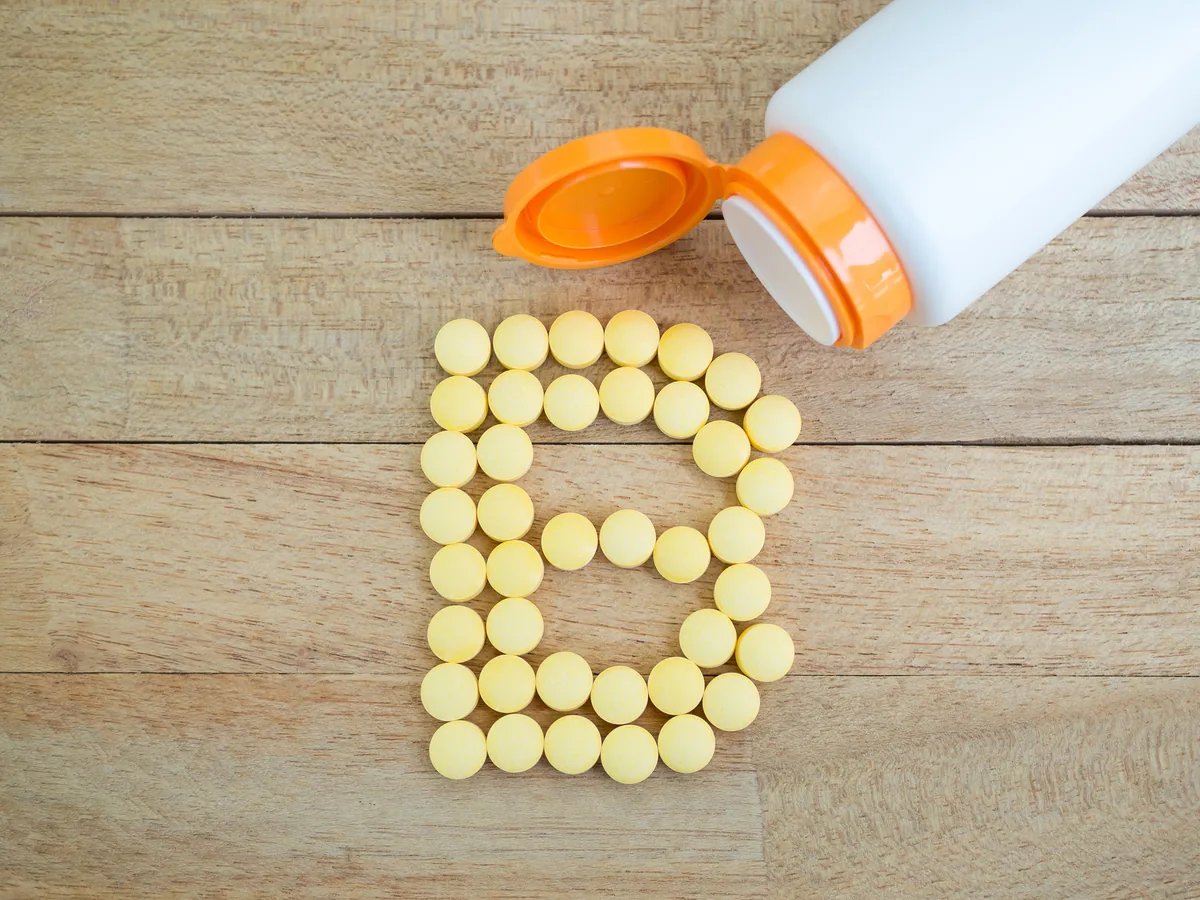
Biotin is one of the B vitamins, and B vitamins work as a team. That is why our Stress B Complex daily B-vitamin formula pairs it with the rest of the B family. But first, let's look at what this vitamin actually does.
What Does Biotin Do in Your Body?
Biotin is also called vitamin B7. Some older books call it vitamin H. It dissolves in water, so your body does not store much of it. As a result, you need a steady supply from food.
So what does biotin do day to day? Its main job is to help enzymes work. Your body has five enzymes that need biotin to do their jobs. These enzymes help you turn food into fuel.
Here is a simple breakdown of the role of biotin.
- Fat. Biotin helps your body build and break down fatty acids.
- Carbohydrates. It helps the liver make glucose when you have not eaten for a while.
- Protein. It helps break down certain amino acids, the building blocks of protein.
- Genes. Biotin also plays a part in how some genes switch on and off.
In short, what does biotin do? It helps maintain normal energy metabolism. Every cell depends on that work. Yet you need only a small amount to keep it going.
What Does Biotin Do for Energy?
Many people hope biotin will give them more energy. So what does biotin do here, exactly? It helps your cells use the fuel you already eat. It does not act like caffeine or sugar.
If you are low in biotin, your cells can't use food as well. Then you may feel tired. But if your levels are normal, extra biotin is unlikely to change your energy. Instead, look at sleep, stress, iron, thyroid health and blood sugar first.
What Foods Contain Biotin (Vitamin B7)?
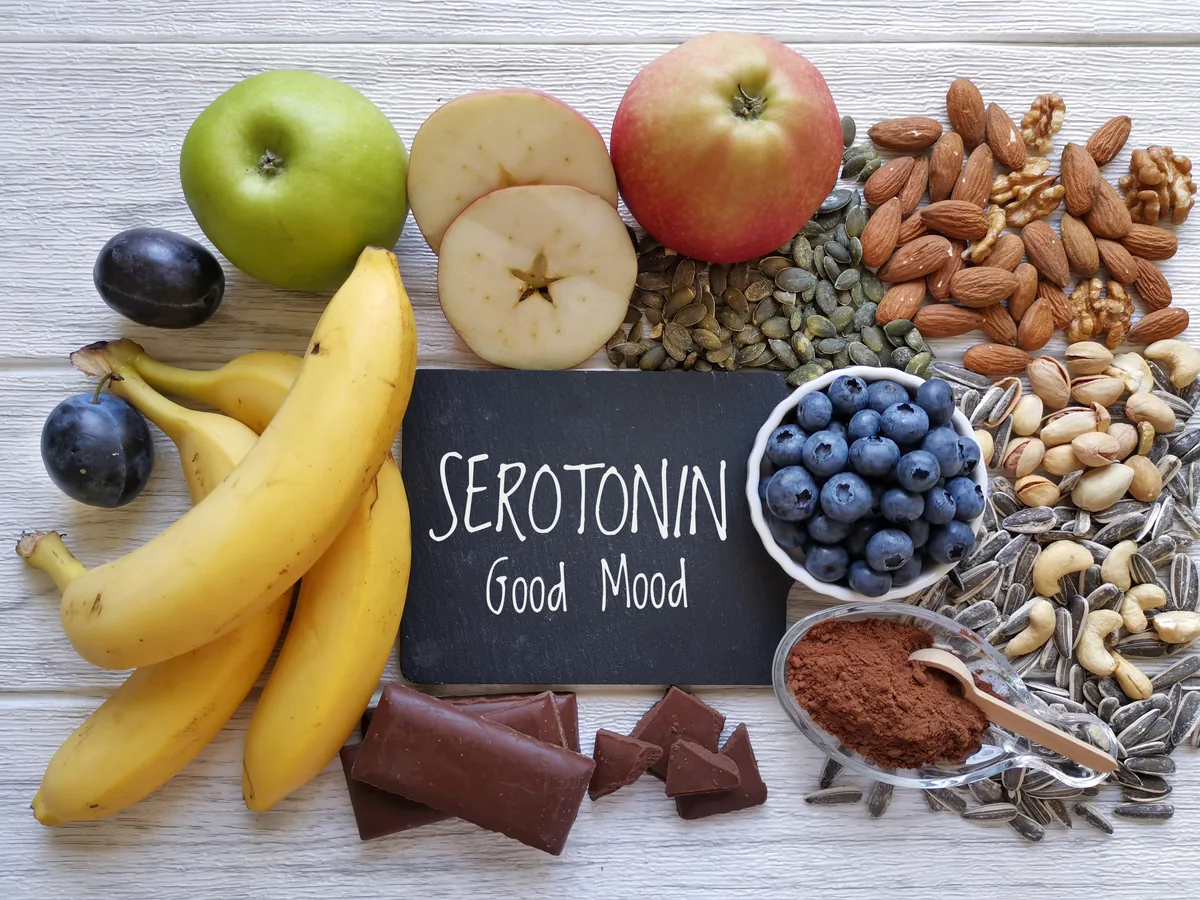
Most people get enough biotin from a balanced diet. So what foods contain biotin? Many do, though in small amounts. Good sources include the foods below.
- Cooked eggs, especially the yolk.
- Liver and other organ meats.
- Salmon and other fish.
- Sunflower seeds, almonds and peanuts.
- Sweet potatoes, spinach and broccoli.
Your gut bacteria also make some biotin. However, we don't know how much of it your body absorbs. So food remains your main source.
A Note About Raw Eggs
Raw egg whites contain a protein called avidin. Avidin binds biotin tightly, so your body can't use it. Cooking breaks down avidin. That is one more reason to cook your eggs.
Signs Your Biotin May Be Low
Knowing what does biotin do helps you spot when you might be short. True biotin deficiency is rare in healthy adults who eat a varied diet. Still, it does happen. When it does, signs tend to show up slowly.
- Thinning hair or hair loss.
- A scaly, red rash around the eyes, nose or mouth.
- Brittle nails.
- Low mood, tiredness or tingling in the hands and feet.
These signs have many other causes, too. For example, thyroid changes, iron shortfalls and stress can all affect hair. So a sign alone does not mean low biotin.
Who Has a Higher Risk
Some groups run low more often. These include people who drink alcohol heavily and people who eat raw egg whites often. Pregnancy and breastfeeding raise biotin needs as well. Certain seizure medicines can also lower biotin levels. Finally, a rare inherited condition called biotinidase deficiency keeps the body from recycling biotin.
What Does Biotin Do During Pregnancy?
During pregnancy, your body uses biotin faster than usual. Some women's levels drift lower as the months pass. So what does biotin do for a mom-to-be? It supports the same energy work for two people instead of one.
Most prenatal vitamins already include some biotin. Even so, never add extra supplements in pregnancy without your obstetrician's okay. The same goes while you are nursing.
If any of these apply to you, talk with your doctor. Then you can decide together whether food changes or biotin supplements make sense. Your doctor can also tell you how much biotin daily fits your needs.
Common Myths About Biotin
Ask ten people what does biotin do, and you may get ten answers. Some are true. Many are not. Here are the myths I hear most often.
Myth: More Biotin Means More Hair
Hair growth depends on many things at once. These include hormones, genes, protein, iron and stress. Biotin is only one small piece. So piling on more of it rarely changes how fast hair grows.
Myth: Biotin Is a Weight-Loss Vitamin
Biotin helps your body use fat and carbohydrates. However, that does not mean it burns fat on its own. What does biotin do for weight, then? It supports normal metabolism, which is a different thing.
Myth: Biotin Can't Cause Any Problems
Biotin is generally well tolerated, because your body flushes out extra in urine. Still, high doses can affect lab tests, as you will see below. So "safe" does not mean "no side effects to know about."
What Does Biotin Do for Hair, Skin and Nails?
This is the big question for most people. Hair, skin and nails all rely on protein, and biotin helps your body use protein. So it makes sense that low biotin can show up there first.
But what does biotin do for someone whose levels are already normal? Here the research is less exciting. A 2017 review in Skin Appendage Disorders looked at this question [1]. The authors found 18 reported cases where biotin helped hair or nails. In every case, the person had an underlying problem, such as a true deficiency [1].
The review found too little evidence for biotin in healthy people [1]. In other words, biotin may support healthy hair when your body truly needs more. Yet extra biotin does not appear to add more benefit once your needs are met.
That is why I look at the whole picture when a patient notices hair changes. Hormones, thyroid health, iron, protein and stress all play a part. For topical hair care, you can browse our hair and skin collection.
Biotin Supplements and Your Lab Tests
So what does biotin do to blood work? This is the part most people have never heard. High doses of biotin can change the results of some blood tests. Many labs use biotin as part of how the test works. So extra biotin in your blood can throw off the reading.
A 2017 study in JAMA showed how this happens [2]. Healthy adults took a high daily dose of biotin for one week. Then researchers ran their blood through many common lab tests. Several tests gave falsely high or falsely low results [2]. Thyroid tests were among those affected.
The authors suggested a simple step. Tell your clinician about any biotin you take before blood work. They also noted that patients may consider pausing biotin before testing [2]. Of course, ask your doctor before you stop anything.
This matters because a false thyroid result could lead to the wrong plan. So whenever you take biotin supplements, list them on every lab form.
How We Use Vitamin B7 in Our Formulas
We add biotin as part of a balanced B-vitamin approach. We do not sell biotin alone.
Stress B Complex
Each capsule of Stress B Complex provides 200 mcg of biotin. That is 667% of the Daily Value, as printed on the label. It also contains B1, B2, B3, B5, B6, B12, folate, choline, inositol and PABA. Together, these B vitamins may help support normal energy production and a healthy stress response.
MaxHealth Multivitamin
Our MaxHealth liquid multivitamin capsules also include biotin. Each two-capsule serving lists 500 mcg on the label. It pairs biotin with other vitamins, minerals and a fruit and vegetable blend. So it may help fill common nutrient gaps.
If you take both products, add up the biotin from each one. That shows how much biotin daily you get from supplements. Then share that total with your doctor, especially before lab work.
What Does Biotin Do Alongside Other Nutrients?
Biotin rarely works alone. Zinc, found in oysters, beef and pumpkin seeds, supports healthy hair growth. Iron matters too, since low iron is a common reason women shed hair. Protein supplies the building blocks of keratin, the main protein in hair and nails. The other B vitamins, such as B12 and folate, support healthy cells throughout the body. Our Stress B Complex pairs biotin with the full B family. Since biotin can affect some lab tests, tell your doctor before blood work.
How Much Biotin Daily Do You Need?
So, what does biotin do for you personally? That depends on your diet, your health history and your goals. Most people get enough from food. Others may benefit from a broader B-complex that includes biotin.
A simple food log can help here. Write down what you eat for a few days. Not sure what foods contain biotin? Look for eggs, fish, seeds, nuts and leafy greens. If they show up often, you likely get enough biotin already.
Talk with your doctor before you start any supplement. This is even more important if you are pregnant, nursing or take medication. Your doctor can also help you plan around blood tests.
At our practice, Dr. Eldred Taylor and I look at nutrition alongside hormones, stress and sleep. If you want care that looks at the whole person, learn more about our holistic doctors in Atlanta. You can also visit Taylor Medical Group to see all our services.
Now you know what does biotin do, and what it does not do. With that, you can choose wisely and skip the hype.
References
- Patel DP, Swink SM, Castelo-Soccio L. A review of the use of biotin for hair loss. Skin Appendage Disord. 2017;3(3):166-169. PubMed
- Li D, Radulescu A, Shrestha RT, Root M, Karger AB, Killeen AA, Hodges JS, Fan SL, Ferguson A, Garg U, Sokoll LJ, Burmeister LA. Association of biotin ingestion with performance of hormone and nonhormone assays in healthy adults. JAMA. 2017;318(12):1150-1160. PubMed
Questions about which formula fits you?
Call 678-443-4099 or Chat Now to find out more information and pricing on our supplements.
Visit www.taylormedicalgroup.net to find out about holistic doctors that can improve your health.
The information in this article is provided for educational purposes only and does not constitute medical advice. These statements have not been evaluated by the Food and Drug Administration. Any products mentioned are not intended to diagnose, treat, cure, or prevent any disease. Always consult your qualified healthcare provider before making changes to your health regimen. Full Medical Disclaimer
Dr. Ava Bell-Taylor, M.D.
Board-Certified Psychiatrist & Functional Medicine Physician
Dr. Ava Bell-Taylor is a board-certified psychiatrist and functional medicine physician with a Family Practice background, specializing in hormone balance, reproductive psychiatry, adrenal health, and the mind-body connection. She is the co-founder of Taylor MD Formulations and Taylor Medical Group in Atlanta, Georgia.
Learn more about Dr. Bell-Taylor