What does serotonin do? Most people know it as the "happy chemical." But that label leaves out most of the story. Serotonin works in your gut, your blood, your sleep cycle and your mood. Many people also ask me whether a serotonin supplement makes sense. In this post, I answer both questions in plain terms.
I will also cover how to boost serotonin with daily habits and how we think about mood support. Our SertonaRx mood support formula combines 5-HTP, GABA, ashwagandha, chamomile and St. John's wort with B vitamins. It may help support a calm, balanced mood. Still, it is not right for everyone, and I explain why below.
What Is Serotonin?
Serotonin is a chemical messenger. Scientists call it 5-hydroxytryptamine, or 5-HT for short. Your body makes it from tryptophan, an amino acid found in protein foods.
Nerve cells use serotonin to pass signals to each other. Also, special cells in your gut use it to send signals along the bowel. So serotonin acts as both a brain messenger and a gut messenger.
Because it works in so many places, the question of what does serotonin do has no one-line answer. Instead, it is better to look at each system in turn. That is how I will walk you through it.
How Your Body Makes Serotonin
The process takes two main steps. First, tryptophan becomes 5-HTP. Then 5-HTP becomes serotonin. Vitamin B6 helps with that second step.
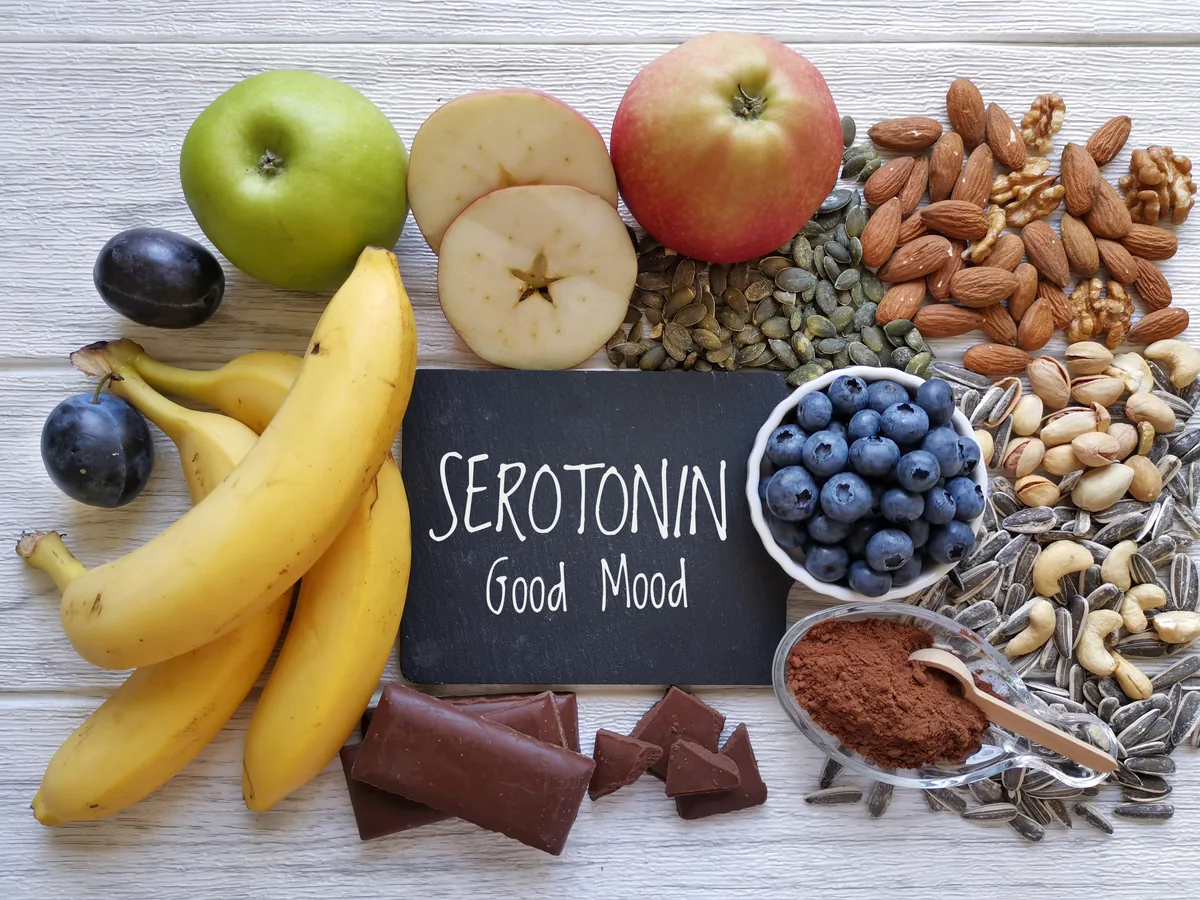
That is why diet matters. If you hope to increase serotonin naturally, food is the place to begin. Your body needs enough protein for tryptophan. It also needs B vitamins to finish the job. Turkey, eggs, cheese, nuts, seeds and tofu all supply tryptophan.
What Does Serotonin Do in the Gut?
This part surprises most people. The gut holds much of the body's serotonin. In fact, a 2015 study in the journal Cell describes the gut as home to much of it [1].
That study was mostly done in mice. It found that certain gut bacteria raised serotonin production in colon cells [1]. Those changes affected gut movement and blood platelets in the animals [1]. So your gut bacteria and your serotonin seem closely linked.
How Serotonin Works in the Bowel
So what does serotonin do in the bowel day to day? It helps signal the muscles of the gut to squeeze and relax. That rhythm moves food along. It also plays a part in how your gut senses fullness and discomfort.
This is one reason mood and digestion often travel together. Stress can upset your stomach. And gut trouble can drag down your mood. Serotonin is one of the shared links.
What Does Serotonin Do in the Brain?
In the brain, serotonin helps shape mood, calm and how you respond to stress. It also plays a role in appetite and in how full you feel after eating.
However, serotonin does not work alone. Dopamine, GABA, norepinephrine and other messengers all interact with it. So low mood rarely comes down to one chemical. That is why I avoid simple answers here.
Many antidepressants work on serotonin signals. Yet researchers still debate exactly how they help. That debate shows how much we still have to learn about what does serotonin do in the brain.
Serotonin Function and Sleep
Your body also turns serotonin into melatonin. Melatonin is the hormone that tells your body it is night. So when patients ask what does serotonin do for sleep, this is the main link.
Light during the day and darkness at night help this cycle run well. Because of that, morning sunlight and a dark bedroom are simple, free supports for your sleep rhythm.
For some patients, we add sleep support as well. Our SleepEasy nighttime formula includes melatonin, magnesium and 5-HTP. It may help support healthy, restful sleep.
What Does Serotonin Do Beyond Mood?
Serotonin has jobs all over the body. Here are a few that rarely make headlines.
The Role of Serotonin in Blood Clotting
Platelets in your blood carry serotonin. They release it when you get a cut. That helps narrow small blood vessels and supports normal clotting.
What Does Serotonin Do for Appetite and Bones?
Researchers continue to study serotonin's role in bone health and body temperature. It also seems to influence appetite. For example, it helps signal fullness after a meal. That is one more answer to the question of what does serotonin do. So the honest answer to what does serotonin do is this. It does many things, and we are still learning about several of them.
What Does Serotonin Do When Levels Run Low?
You may hear people blame "low serotonin" for many problems. The idea is popular, but the science is more complex. There is no simple blood test that shows brain serotonin levels.
So when patients ask what does serotonin do when it runs low, I answer carefully. Low mood, poor sleep, cravings and gut changes can all have many causes. Thyroid problems, low iron, poor sleep and stress can look similar.
Why Testing the Whole Picture Matters
That is why I start with a full history and basic labs. We look at hormones, nutrients, sleep and stress together. Then we decide whether serotonin support makes sense at all.
Also, mood can shift with life stages. Menopause, the months after childbirth and long periods of stress all affect brain chemistry. Each of these calls for its own plan. So asking what does serotonin do is a good start, but it is only the start.
Questions to Bring to Your Doctor
Write down when your symptoms started and what makes them better or worse. Note your sleep, appetite and energy too. Also list every medicine and supplement you take. These notes help your doctor see patterns quickly.
Is a Serotonin Supplement a Good Idea?
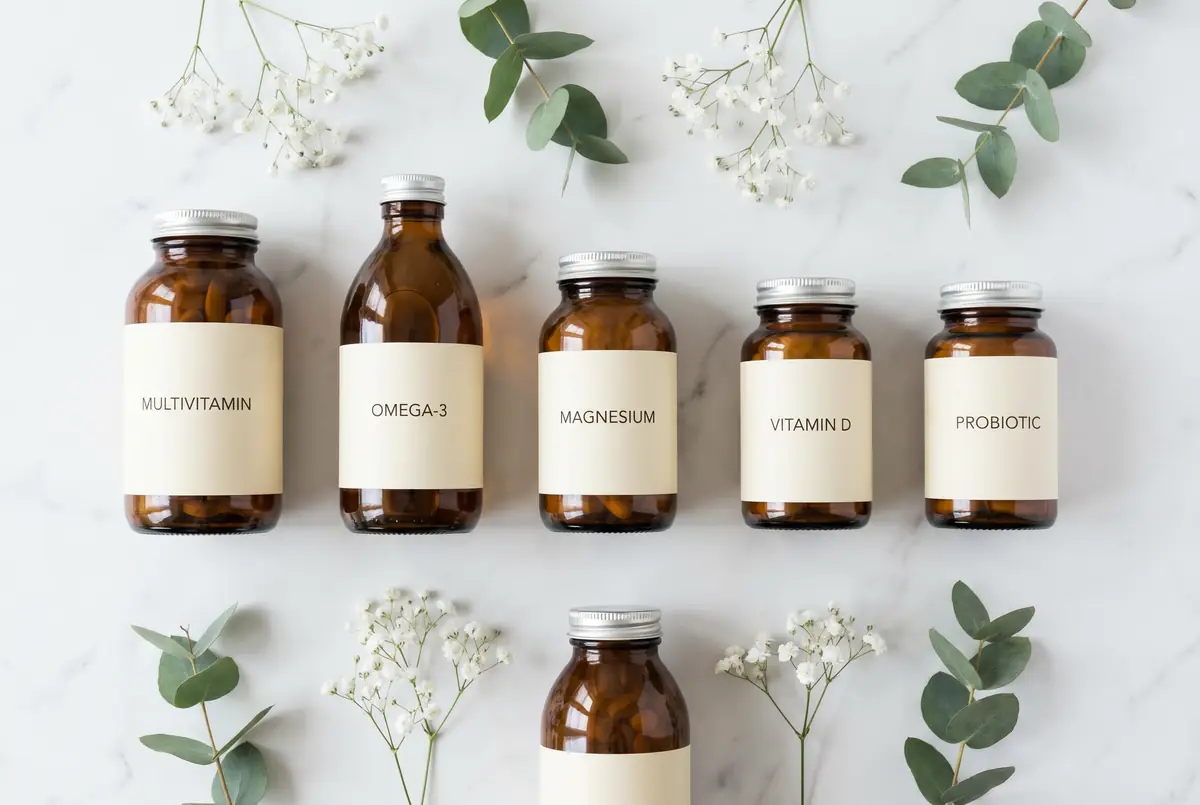
You cannot buy serotonin itself as a pill. Instead, a serotonin supplement usually provides building blocks or helpers. Common examples are 5-HTP, B vitamins and certain herbs.
SertonaRx follows that approach. It pairs 5-HTP with vitamin B6 and other B vitamins. It also adds GABA, chamomile, ashwagandha root and St. John's wort. Together, these may support a calm and balanced mood.
Who Should Not Take a Serotonin Supplement
This part matters most. Do not take SertonaRx or any similar product with an antidepressant unless your doctor approves. That includes SSRIs, SNRIs and MAO inhibitors.
Too much serotonin activity can cause a serious reaction called serotonin syndrome. Signs include agitation, a racing heart, fever, sweating, shivering and muscle twitching. If you notice these, get medical care right away.
Also, St. John's wort interacts with many medicines. These include birth control pills and blood thinners. It can also make your skin more sensitive to sun. So talk with your doctor if you take any prescription, or if you are pregnant or nursing.
The SertonaRx label also says it is not for pregnant or nursing women or anyone under 18. It advises against driving or running heavy machinery while you take it.
How to Boost Serotonin Function With Everyday Habits
Supplements are only one piece. Daily habits shape your mood and brain chemistry too. So now that you know what does serotonin do, here is how to boost serotonin through daily life.
Move Your Body
Regular movement supports a steady mood for many people. Walking counts. So does dancing, gardening or swimming. Pick something you enjoy so you keep doing it. Even ten minutes a day is a fine place to begin.
Get Morning Light
Morning light helps set your body clock. It also supports your sleep rhythm at night. Try to step outside for a few minutes soon after you wake.
Eat for Your Gut
Since so much serotonin activity happens in the gut, gut health matters. Eat plenty of plants, fiber and fermented foods. Also, include protein at each meal for tryptophan.
Mind Your Stress
Ongoing stress wears on mood over time. Simple breathing exercises, prayer, time with friends and good sleep all help. These steps cost little and add up.
There is no single trick to increase serotonin naturally. None of these habits needs to be perfect. Choose one or two to start. Then build from there as they become part of your week. Knowing what does serotonin do can help you stay motivated, because each habit touches a system you now understand.
You can also explore our brain and cognitive health supplements to see the full range we offer.
Other Nutrients That May Help Support a Healthy Mood
Your body needs several nutrients to make and use serotonin. Tryptophan, found in turkey, eggs and cheese, is the raw material. Vitamin B6, from chickpeas, fish and potatoes, helps turn it into serotonin. Folate and vitamin B12 support the same pathway, and leafy greens and eggs supply them. Magnesium, found in nuts and seeds, also supports a calm nervous system. Our SertonaRx formula combines B vitamins and magnesium with 5-HTP and calming herbs. Do not take it with an antidepressant unless your doctor says it is safe.
When to Talk With a Doctor About Mood
Everyone has low days. But if low mood lasts more than two weeks, please reach out. The same is true if you lose interest in things you used to enjoy.
If you ever have thoughts of harming yourself, call or text 988 right away. That is the Suicide and Crisis Lifeline in the United States. Help is there at any hour.
Also, see your doctor soon if sleep, appetite or energy change a lot. These shifts may tie back to what does serotonin do in the body. Yet they can also point to thyroid, iron or hormone issues that need testing.
At Taylor Medical Group, we look at mood alongside hormones, sleep, gut health and stress. Our holistic medicine doctors in Atlanta take time to find what is driving how you feel. That whole-person view often brings answers a single test misses.
Please bring your full supplement list to that visit. Include herbs, teas and anything you buy online. Then we can check for interactions and build a plan that fits you.
References
- Yano JM, Yu K, Donaldson GP, Shastri GG, Ann P, Ma L, Nagler CR, Ismagilov RF, Mazmanian SK, Hsiao EY. Indigenous bacteria from the gut microbiota regulate host serotonin biosynthesis. Cell. 2015;161(2):264-276. PubMed
Questions about which formula fits you?
Call 678-443-4099 or Chat Now to find out more information and pricing on our supplements.
Visit www.taylormedicalgroup.net to find out about holistic doctors that can improve your health.
The information in this article is provided for educational purposes only and does not constitute medical advice. These statements have not been evaluated by the Food and Drug Administration. Any products mentioned are not intended to diagnose, treat, cure, or prevent any disease. Always consult your qualified healthcare provider before making changes to your health regimen. Full Medical Disclaimer
Dr. Ava Bell-Taylor, M.D.
Board-Certified Psychiatrist & Functional Medicine Physician
Dr. Ava Bell-Taylor is a board-certified psychiatrist and functional medicine physician with a Family Practice background, specializing in hormone balance, reproductive psychiatry, adrenal health, and the mind-body connection. She is the co-founder of Taylor MD Formulations and Taylor Medical Group in Atlanta, Georgia.
Learn more about Dr. Bell-Taylor