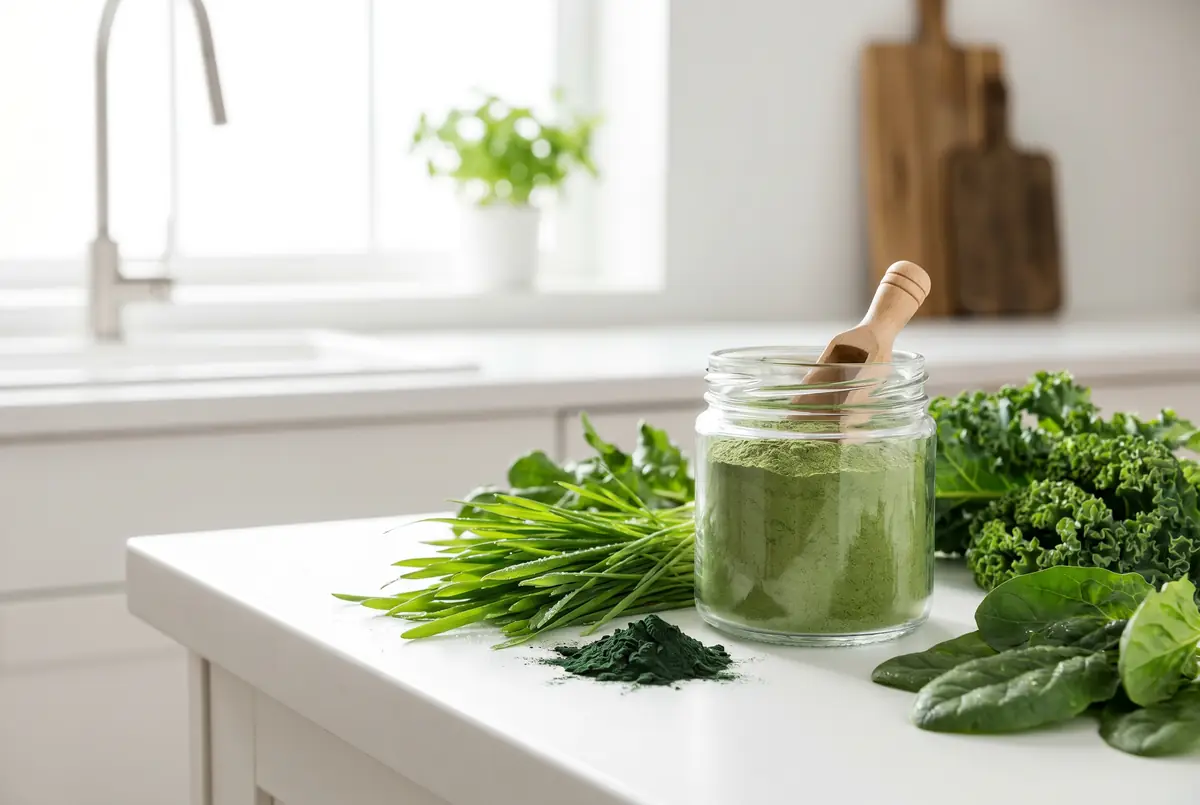
Lion's mane powder has moved from health food shops into coffee mugs across America. Patients often ask me if it is worth trying, and how it compares with capsules. Many first search online for “lions mane benefits”. In this post, I will explain what it is, what the research shows, and how to use it. I will also share how our MycoCare lion's mane mushroom complex differs from a loose powder.
Mushrooms have a long history in traditional medicine. Yet lion's mane powder is fairly new to most kitchens. Lion's mane stands out because most of the interest centers on the brain. So let's look at what we know, and what we still don't.
What Is Lion's Mane Mushroom?
Lion's mane is an edible mushroom with the scientific name Hericium erinaceus. It grows on hardwood trees in North America, Europe and Asia. Instead of a cap and stem, it forms a white ball of soft, hanging spines. That shaggy look gives it its name.
Cooks prize it for its mild, seafood-like taste. When sautéed, its texture can remind people of crab or lobster. In Japan, it is known as yamabushitake. It also has a long place in traditional Chinese practice.
Lion's mane contains several natural compounds that interest scientists. Two groups, called hericenones and erinacines, get the most attention in lab research. Much of that work is in cells and animals, so we should be careful about what it means for people.
What Is Lion's Mane Powder?
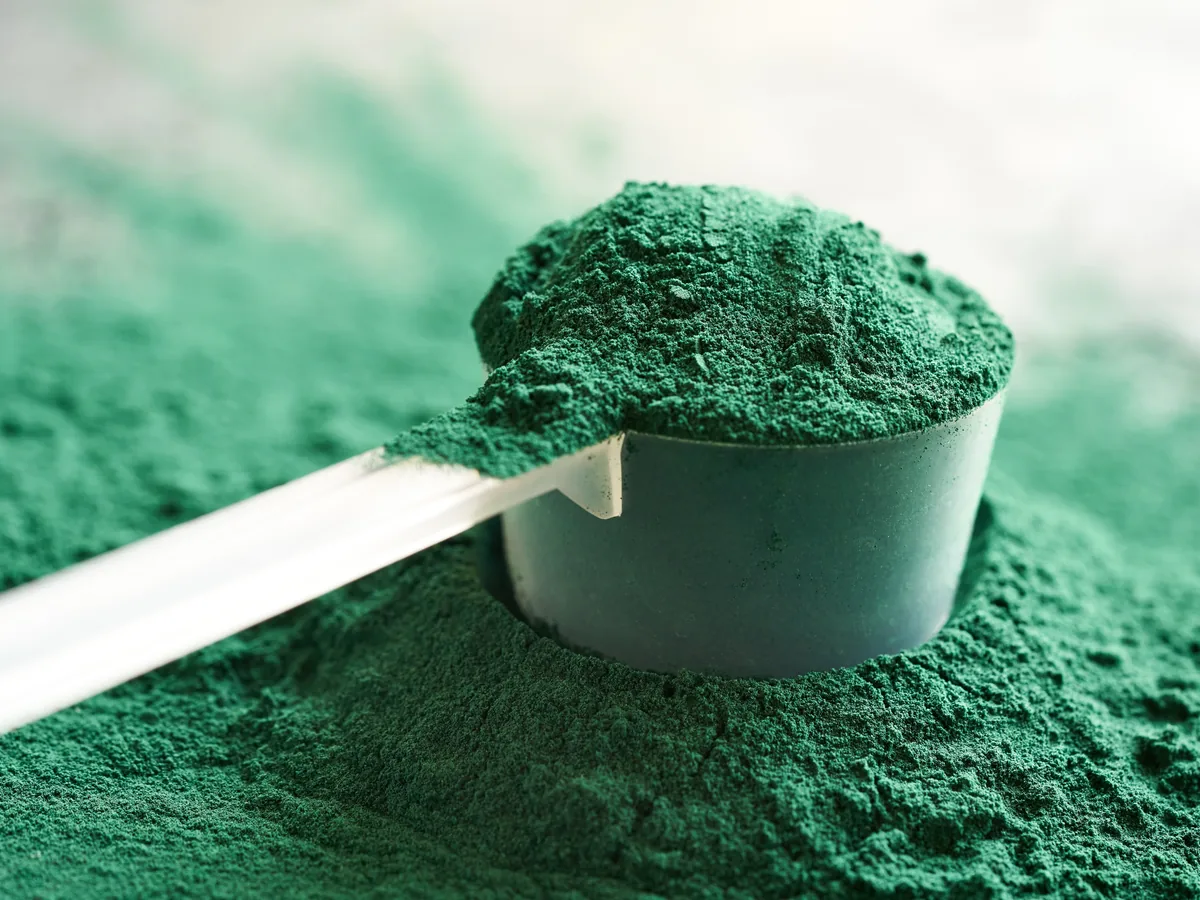
Lion's mane powder is simply dried lion's mane that has been ground fine. You can stir it into drinks or food. There are two main kinds, and the label should tell you which one you are buying.
Whole Mushroom Powder
This is the dried fruiting body, which is the mushroom itself, ground into powder. The maker does not remove or concentrate anything. It tastes earthy and slightly sweet. You get the whole mushroom, fiber and all.
Extract Powder
An extract powder is made by soaking the mushroom in hot water, alcohol or both. Then the maker dries the liquid into a powder. Labels often show a ratio such as 10:1. That ratio means about ten parts of mushroom went into one part of extract. So an extract is more concentrated than plain lion's mane powder.
Fruiting Body vs. Mycelium
Here is a detail many labels hide. Some products use mycelium, the root-like threads of the fungus, instead of the fruiting body. Growers often raise mycelium on grain, such as rice or oats. The grain may stay in the final powder, which can water down the mushroom content.
So when you shop for lion's mane powder, look for "fruiting body" on the label. If the label lists only "mycelium" or "myceliated grain," you may be buying a lot of grain.
What Research Shows About Lion's Mane Powder
Human studies on lion's mane are still small. But a few are worth knowing, and one used a powder much like the ones sold today. They are what matter most when you search “lions mane benefits”.
A Study in Older Adults
A 2009 trial appeared in Phytotherapy Research [1]. It included 30 Japanese adults aged 50 to 80 with mild cognitive impairment [1]. Half took tablets made of dried lion's mane fruiting body powder [1]. The others took placebo tablets [1]. Both groups took them three times a day for 16 weeks [1].
At weeks 8, 12 and 16, the lion's mane group scored higher on a cognitive function scale [1]. The placebo group did not see the same rise [1]. However, their scores dropped again within four weeks of stopping [1]. Lab tests showed no harmful effects. Mild stomach upset happened in both groups [1].
A Study in Young, Healthy Adults
Next, a 2023 pilot study ran in Nutrients [2]. It looked at 41 healthy adults aged 18 to 45 [2]. They took lion's mane or a placebo, once and then daily for 28 days [2]. The researchers tested attention with the Stroop task. One hour after a single dose, the lion's mane group was faster [2]. After 28 days, there was a trend toward lower self-rated stress, but it did not reach statistical significance [2].
The authors called their results tentative and asked for larger trials [2]. I agree. These studies are promising, but they are small. So I view lion's mane powder as gentle support for brain health, not a sure fix.
How to Use Lion's Mane Powder
Ready to try it? First, check with your doctor. Then use these simple ideas.
- Coffee or tea. Stir it into your morning cup. Its earthy taste blends well with coffee.
- Smoothies. Add it with banana, berries and nut butter to mask the flavor.
- Oatmeal or yogurt. Mix it in with cinnamon.
- Soups and sauces. Whisk it into broth at the end of cooking.
Follow the serving size on your product's label. Powders vary a lot in strength, so one brand's scoop is not the same as another's. Also, use it daily rather than now and then. In the 2009 trial, scores rose with steady use and fell after people stopped [1].
Fresh Lion's Mane vs. Powder
You can also cook the fresh mushroom. Some farmers' markets and grocery stores carry it. Slice it, then sauté it in olive oil until golden. Because fresh mushrooms are mostly water, though, you would eat far more by weight to match a powder. So fresh lion's mane is a lovely food, while lion's mane powder is easier to use every day.
Store your lion's mane powder in a cool, dry place with the lid sealed tight. Moisture can make it clump and spoil.
Lion's Mane Powder vs. Capsules
Both forms can work. However, the best choice depends on your habits and taste.
Lion's mane powder is flexible. You can adjust the amount and mix it into food. On the other hand, it can taste earthy, and scooping can be messy. It is also easy to forget when you are busy.
Capsules are simple. There is no taste, no measuring and no mess. Each serving is the same every time. That steady amount helps if you want to take it daily.
That is why we made MycoCare as capsules. Each two-capsule serving gives you a 1,400 mg blend of five fruiting-body mushroom extracts. Lion's mane leads the blend as a 10:1 extract. Chaga, maitake, shiitake and reishi round out the formula. The capsules are vegetable-based, not gelatin.
MycoCare may help support focus and mental clarity. Its other mushrooms support normal immune function. The studies above tested lion's mane, not MycoCare. If you want more cognitive options, see our CogHealth formula or browse our brain and cognitive health collection.
Safety Tips for Lion's Mane Powder
Most people tolerate lion's mane powder well. After all, it is a food mushroom. Still, keep these points in mind.
- Skip it if you are allergic to mushrooms.
- Stop if you get an itchy rash or trouble breathing, and seek care right away.
- Mild stomach upset can happen. Taking it with food may help.
- Talk with your doctor first if you are pregnant or nursing.
- Ask your doctor if you take medication, especially blood thinners or diabetes medicine.
What to Look For on the Label
Quality matters too. Buy lion's mane powder from a company that names the part of the mushroom used. Here is a short checklist:
- The words "fruiting body" on the label.
- The scientific name, Hericium erinaceus.
- An extract ratio, if it is an extract.
- Testing for purity, such as heavy metals.
- A clear serving size.
Also, be wary of bold promises. A label that claims to fix memory loss or other conditions is a red flag. Good products describe support, not miracles.
Who May Want to Try Lion's Mane?
Lion's mane is not for everyone, but it suits a few common goals. First, some adults want gentle brain support as they age. Second, busy people often want help with focus without more caffeine. Third, many coffee drinkers simply like adding a mushroom to their morning cup.
On the other hand, lion's mane is not a fit if you hope for fast or dramatic change. Also, if you have new memory problems, see your doctor before you try any supplement. Memory changes have many causes, so they deserve a proper workup first. After that, you and your doctor can decide whether lion's mane belongs in your plan.
Other Mushrooms to Pair With Lion's Mane Powder
Several mushrooms have a long history of use. Reishi comes from traditional Chinese medicine, and it may help support normal immune function. Chaga grows on birch trees in cold climates and is rich in antioxidants. Maitake and shiitake are kitchen mushrooms that also supply beta-glucans, a type of fiber. Beyond mushrooms, omega-3 fats from salmon and sardines support normal brain function. Our MycoCare combines lion's mane with chaga, maitake, shiitake and reishi. Talk with your doctor first if you take blood thinners or have a mushroom allergy.
Building a Brain-Healthy Routine
No mushroom can replace the basics. Your brain needs sleep, movement and good food every day. So think of lion's mane powder as one small part of a bigger plan.
Aim for seven to nine hours of sleep. Walk most days, since exercise boosts blood flow to the brain. Eat fish, leafy greens, berries and nuts. Stay social, and keep learning new skills. Then add a supplement if you and your doctor feel it fits.
For extra seasonal support, our immune support collection has more options. Want a full plan for healthy aging? Learn about our longevity services or visit Taylor Medical Group.
References
- Mori K, Inatomi S, Ouchi K, Azumi Y, Tuchida T. Improving effects of the mushroom Yamabushitake (Hericium erinaceus) on mild cognitive impairment: a double-blind placebo-controlled clinical trial. Phytotherapy Research. 2009;23(3):367-372. PubMed
- Docherty S, Doughty FL, Smith EF. The acute and chronic effects of lion's mane mushroom supplementation on cognitive function, stress and mood in young adults: a double-blind, parallel groups, pilot study. Nutrients. 2023;15(22):4842. PubMed
Questions about which formula fits you?
Call 678-443-4099 or Chat Now to find out more information and pricing on our supplements.
Visit www.taylormedicalgroup.net to find out about holistic doctors that can improve your health.
The information in this article is provided for educational purposes only and does not constitute medical advice. These statements have not been evaluated by the Food and Drug Administration. Any products mentioned are not intended to diagnose, treat, cure, or prevent any disease. Always consult your qualified healthcare provider before making changes to your health regimen. Full Medical Disclaimer
Dr. Ava Bell-Taylor, M.D.
Board-Certified Psychiatrist & Functional Medicine Physician
Dr. Ava Bell-Taylor is a board-certified psychiatrist and functional medicine physician with a Family Practice background, specializing in hormone balance, reproductive psychiatry, adrenal health, and the mind-body connection. She is the co-founder of Taylor MD Formulations and Taylor Medical Group in Atlanta, Georgia.
Learn more about Dr. Bell-Taylor