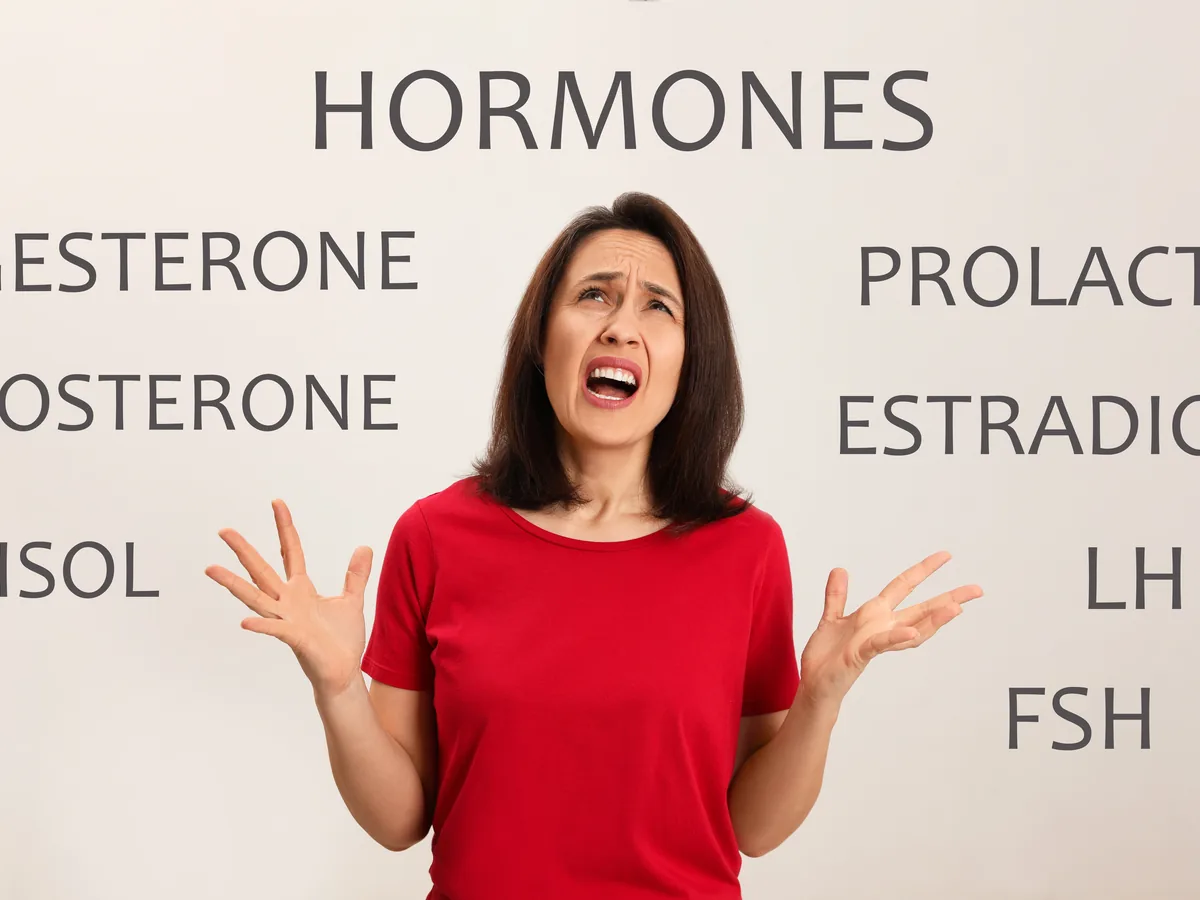
Heavy periods, sore breasts, bloating and mood swings can all be high estrogen symptoms. Many women live with them for years before anyone checks their hormones. So let's answer a common question. What is estrogen dominance, and what can you do about it? I will also explain where a progesterone product like our Hormony Pro progesterone cream may fit.
Estrogen is not a bad hormone. You need it for strong bones, healthy skin, a sharp mind and a healthy heart. The trouble comes when estrogen runs high compared with its partner hormone, progesterone.
Below, I cover the signs, the causes and the tests. Then I share how to decrease estrogen through food and daily habits. Finally, I explain when estrogen dominance treatment needs a doctor's care.
What Is Estrogen Dominance?
Estrogen and progesterone work as a team. First, estrogen builds things up. For example, it thickens the uterine lining and helps breast tissue grow. Then progesterone balances those effects and calms things down.
So what is estrogen dominance? It is a pattern where estrogen outweighs progesterone. Your estrogen may be truly high. Or it may be normal while progesterone is low. Either way, the balance tips toward estrogen.
This pattern is not a formal diagnosis in every medical textbook. Still, I see it often in my practice. Women in their late 30s and 40s are the most common group. During perimenopause, progesterone often drops faster than estrogen. That shift can bring high estrogen symptoms even when estrogen itself is not very high.
Common High Estrogen Symptoms in Women
High estrogen symptoms can look like many other problems. That is why they get missed. Here are the signs I ask about most.
Period and Breast Changes
- Heavy or long periods.
- Periods that come closer together.
- Breast swelling or tenderness, often before your period.
- Worse PMS than you used to have.
Mood, Sleep and Energy
- Mood swings, irritability or feeling weepy.
- Anxiety, especially in the week before your period.
- Trouble falling or staying asleep.
- Tiredness that sleep does not fix.
Body Signs
- Bloating and water retention.
- Weight gain around the hips and thighs.
- Headaches tied to your cycle.
- Cold hands and feet.
Having one of these does not mean you have too much estrogen. But a cluster of high estrogen symptoms is worth a closer look with your doctor.
Signs of High Estrogen in Men
Men make estrogen too, and it can rise with age or extra body fat. In men, high estrogen symptoms may include breast tissue growth, low sex drive and erection problems. Fertility can suffer as well. Men with these signs should see a doctor for testing.
What Causes Too Much Estrogen?
Several things can tip the balance. Often, more than one is at work.
Perimenopause. As ovulation becomes less regular, your body makes less progesterone. Meanwhile, estrogen can swing up and down. So many women first notice high estrogen symptoms in their 40s.
Extra body fat. Fat tissue makes its own estrogen. That is true in both women and men, so weight gain can feed high estrogen symptoms.
Alcohol. Your liver clears estrogen from your body. Regular drinking puts extra strain on the liver, and estrogen may build up.
Gut health. After the liver packages estrogen, your gut helps remove it. If you are constipated, some estrogen can slip back into your blood. Certain gut bacteria can also free estrogen so it gets reabsorbed.
Stress. Your body uses some of the same raw materials to make cortisol and progesterone. Long-term stress may leave less room for progesterone.
Medications and chemicals. Some hormone drugs raise estrogen. Certain chemicals in plastics may also act like estrogen in the body.
How Doctors Check for High Estrogen Symptoms
You cannot judge hormone levels by symptoms alone. Instead, testing gives you real numbers. Blood tests can measure estradiol, the main form of estrogen, along with progesterone. For women who still have periods, timing matters. So doctors usually check progesterone about a week after ovulation.
In our practice, we often use saliva testing. Saliva shows the hormone levels at work in your tissues. Drs. Eldred and Ava Taylor explain this approach in their book, Are Your Hormones Making You Sick?
Your doctor may also check thyroid, iron and other labs. Heavy bleeding and fatigue have many causes, so a full picture matters. Fibroids, polyps and thyroid problems can mimic high estrogen symptoms.
How to Decrease Estrogen With Daily Habits
Many women ask me how to decrease estrogen without medication. Daily habits make a real difference, and they are where I start.
Eat More Fiber
Fiber binds estrogen in your gut and carries it out of your body. Aim for beans, lentils, oats, ground flaxseed, vegetables and fruit at every meal. Fiber also keeps you regular, which helps your gut remove estrogen on time.
Load Up on Cruciferous Vegetables
Try broccoli, cauliflower, cabbage, kale and Brussels sprouts. They contain compounds that support healthy estrogen processing in the liver. Try to eat some every day.
Support Your Gut
A healthy mix of gut bacteria helps your body clear estrogen. Fermented foods like yogurt and sauerkraut can help. Some women also use a probiotic such as Flora Repair Probiotics, which may help support a healthy gut balance.
Limit Alcohol and Watch Plastics
Cutting back on alcohol gives your liver room to do its job. Also, store food in glass and avoid heating food in plastic.
Move, Sleep and Manage Stress
Exercise helps you keep a healthy weight. As a result, fat tissue makes less estrogen. Good sleep and stress care support progesterone, too. These steps are the core of how to decrease estrogen naturally.
Track Your High Estrogen Symptoms Before Your Visit
A simple log makes your doctor visit far more useful. So start one today.
Use a notebook or a phone app. Each day, write down your cycle day and any high estrogen symptoms you notice. Rate each one from 1 to 5. Also note your sleep, your stress and how much alcohol you had.
After two or three cycles, patterns often appear. For example, breast tenderness and mood swings may cluster in the week before your period. That timing points toward a hormone link. On the other hand, symptoms that stay the same all month may have another cause.
Bring the log to your appointment. It helps your doctor decide which tests to order and when. It also gives you a baseline. Then, as you change your habits, you can see whether your high estrogen symptoms ease over time.
High Estrogen Symptoms at Different Ages
Younger women often notice heavy periods and hard PMS. In your 40s, perimenopause adds sleep trouble and mood swings. After menopause, estrogen falls, yet the balance can still matter. That is especially true for women who carry extra weight or use hormone therapy. So the same symptom can mean different things at different ages.
Where Progesterone Cream May Fit
When testing shows low progesterone, some women and their doctors consider bioidentical progesterone. Bioidentical means it has the same structure as the progesterone your body makes.
Research on progesterone cream is small, but it does exist. A 1999 trial in Obstetrics and Gynecology followed 102 women within five years of menopause [1]. They applied a progesterone cream or a placebo cream every day for one year [1].
Some women had hot flashes or night sweats at the start. Of those using progesterone, 83% improved or became free of them [1]. In the placebo group, 19% improved [1]. However, the cream did not protect bone density better than placebo [1].
That study did not test Hormony Pro. Hormony Pro contains USP progesterone from wild yam in a topical cream. It may help support healthy progesterone levels and hormone balance when used with your doctor's guidance. You can see related products in our women's health collection.
Progesterone is a hormone, so please talk with your doctor before using it. This is vital if you are pregnant, nursing or taking medication. It also matters if you have a history of breast cancer, blood clots, liver disease or unusual bleeding.
Nutrients to Know About If You Have High Estrogen Symptoms
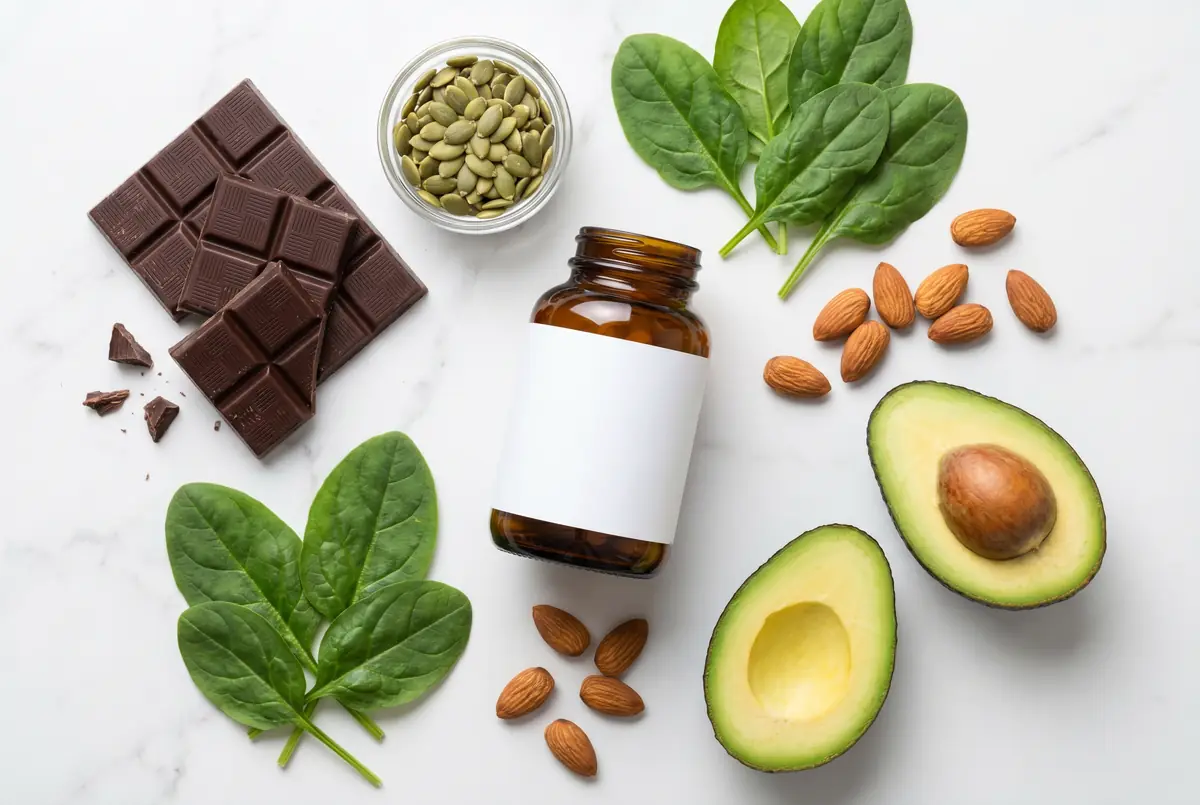
Your liver and gut clear used estrogen. Certain nutrients help them do it. Fiber from beans, oats and vegetables helps carry estrogen out of the body. Broccoli, cabbage and kale contain compounds that support healthy estrogen metabolism. Magnesium and vitamin B6 help your liver process hormones, and leafy greens, nuts and fish supply both. Progesterone is estrogen's natural balance partner, so some women discuss it with their doctor. Our Hormony Pro cream contains bioidentical progesterone. Talk with your doctor before using any hormone product.
When to Seek Estrogen Dominance Treatment
Lifestyle steps help most women with high estrogen symptoms. But some need medical care. See your doctor if your periods soak through a pad or tampon every hour. Also call if you bleed between periods or after menopause. Those signs need an exam right away.
Estrogen dominance treatment should start with testing, not guessing. Your plan may include diet changes, gut support, stress care and, in some cases, hormone therapy. A good doctor will tailor estrogen dominance treatment to your labs, your age and your goals.
At our clinic, we look at hormones, stress and gut health together. You can meet our physicians on the Drs. Eldred and Ava Taylor page. Or visit Taylor Medical Group to learn more about testing.
High estrogen symptoms are common, but you do not have to guess about them. Start with the habits above, write down your symptoms, and bring that list to your next visit.
References
- Leonetti HB, Longo S, Anasti JN. Transdermal progesterone cream for vasomotor symptoms and postmenopausal bone loss. Obstetrics and Gynecology. 1999;94(2):225-228. Journal page (DOI)
Questions about which formula fits you?
Call 678-443-4099 or Chat Now to find out more information and pricing on our supplements.
Visit www.taylormedicalgroup.net to find out about holistic doctors that can improve your health.
The information in this article is provided for educational purposes only and does not constitute medical advice. These statements have not been evaluated by the Food and Drug Administration. Any products mentioned are not intended to diagnose, treat, cure, or prevent any disease. Always consult your qualified healthcare provider before making changes to your health regimen. Full Medical Disclaimer
Dr. Ava Bell-Taylor, M.D.
Board-Certified Psychiatrist & Functional Medicine Physician
Dr. Ava Bell-Taylor is a board-certified psychiatrist and functional medicine physician with a Family Practice background, specializing in hormone balance, reproductive psychiatry, adrenal health, and the mind-body connection. She is the co-founder of Taylor MD Formulations and Taylor Medical Group in Atlanta, Georgia.
Learn more about Dr. Bell-Taylor