Many women live with symptoms of low progesterone for years without knowing it. They feel tired, anxious and puffy before their period. They sleep poorly. Then someone tells them it is just stress or just age. I am a physician who focuses on women's hormones. I want you to know the signs of low progesterone have a pattern. Once you see the pattern, you can do something about it. Progesterone deficiency symptoms are common, and they deserve attention.
In this article, I will walk you through the most common signs of low progesterone. I will also cover what causes it and simple ways to increase progesterone naturally. I will also explain where a bioidentical option like Hormony Pro bioidentical progesterone cream may fit into your plan.
What Progesterone Does in Your Body
Progesterone is one of your main female hormones. Your ovaries make most of it after you ovulate each month. Your adrenal glands also make a small amount. During pregnancy, the placenta makes large amounts.
First, progesterone prepares the lining of the uterus each cycle. Second, it balances the effects of estrogen. Estrogen builds tissue, while progesterone helps keep that growth in check. Progesterone also has a calming effect on the brain. That is why many women feel more relaxed and sleep better when their levels are healthy.
When progesterone drops too low compared with estrogen, the balance tips. Doctors often call this estrogen dominance. As a result, you may notice a group of symptoms that seem unrelated but share the same root. These are the symptoms of low progesterone I explain below.
10 Common Symptoms of Low Progesterone
The symptoms of low progesterone often show up in the second half of your cycle. That is the time after ovulation when progesterone should be at its highest. Here are the signs I see most often.
PMS That Feels Worse Than It Used To
Bloating, cramps, breast tenderness and mood swings are classic symptoms of low progesterone. If your PMS has grown stronger over the years, your hormone balance may be shifting.
Trouble Sleeping Before Your Period
Progesterone helps the brain relax. So when levels fall, sleep often suffers. Many women wake at 2 or 3 a.m. and cannot fall back asleep in the days before their period. Poor sleep is one of the most common symptoms of low progesterone.
Anxiety or Irritability
Low progesterone can leave you feeling on edge. Small things may upset you more than usual. In addition, some women describe a racing mind they cannot turn off.
Irregular or Short Cycles
A healthy cycle needs enough progesterone after ovulation. If your cycles are short, irregular or hard to predict, low progesterone may be one reason. Cycle changes are among the symptoms of low progesterone that are easiest to track.
Heavy Periods
Without enough progesterone, the uterine lining can build up more than it should. Consequently, some women have heavier or longer periods.
Spotting Before Your Period
Light bleeding in the days before your period starts is another common sign. It can mean progesterone is dropping too early.
Weight Gain Around the Middle
Many women ask me, can low progesterone cause weight gain? It can play a part. When estrogen runs unopposed, the body may hold more fat and fluid, especially around the belly and hips.
Breast Tenderness
Sore or swollen breasts before your period often point to too much estrogen compared with progesterone.
Headaches Around Your Cycle
Some women get headaches or migraines at the same point each month. Shifting hormone levels can be a trigger.
Low Mood and Fatigue
Finally, low progesterone can leave you feeling drained and down. You may feel tired even after a full night in bed.
You do not need to have all ten symptoms of low progesterone. Even two or three that follow your cycle are worth a closer look.
In this short video, my husband, Dr. Eldred Taylor, explains why so many women feel anxious and worn out before their period.
What Causes Low Progesterone in Women?
Low progesterone in women has several common causes. In many cases, more than one is at work. Knowing the cause helps you address symptoms of low progesterone at the source.
- Perimenopause. In your late 30s and 40s, you may not ovulate every month. No ovulation means very little progesterone that cycle.
- Chronic stress. Your body uses the same building blocks to make cortisol and sex hormones. Long-term stress pulls those resources toward cortisol.
- Missed ovulation. Thyroid problems, over-exercise, under-eating and some medical conditions can stop ovulation.
- Poor sleep. Sleep loss raises stress hormones and can lead to low progesterone levels over time.
- Weight changes. Body fat makes estrogen. So weight gain can raise estrogen and widen the gap with progesterone.
Stress deserves special attention. When I explain what causes low progesterone, I always talk about the adrenal glands. These small glands handle your stress response. When they work overtime for months, your other hormones often pay the price. Some women choose adrenal support such as AdrenaCare alongside stress care to help maintain healthy cortisol balance.
Signs of Low Progesterone at Each Life Stage
The signs of low progesterone can look different depending on your age. Here is how symptoms of low progesterone tend to show up at each stage.
Low Progesterone Symptoms in Your 20s and 30s
Young women often notice strong PMS, short cycles or spotting. Stress, diet and intense exercise are frequent factors at this age.
Low Progesterone Symptoms During Perimenopause
This is when symptoms of low progesterone most often appear. Ovulation becomes less regular, so progesterone falls first. Estrogen may still be normal or even high. That gap explains the heavy periods, sleep trouble and mood changes many women feel in their 40s.
Low Progesterone Symptoms After Menopause
After your periods stop, your ovaries make very little progesterone. Many women still feel symptoms of low progesterone, such as poor sleep or low mood. Botanical support such as LaiDex for the menopause transition is one option some women discuss with their doctor.
How to Increase Progesterone Naturally
Many women want to increase progesterone naturally before trying anything else. That is a smart place to start. Your daily habits shape how well your body makes and uses its hormones.
Manage Stress to Ease Low Progesterone Symptoms
Because stress and progesterone share the same pathway, calming your stress response matters. Try a short walk, deep breathing or prayer each day. Even ten quiet minutes can help.
Protect Your Sleep
Aim for seven to nine hours each night. Keep a regular bedtime and a dark, cool room. In addition, put screens away an hour before bed.
Eat to Support Your Hormones
Your body builds hormones from the foods you eat. Include protein and healthy fats at every meal, such as fish, eggs, nuts, seeds and olive oil. Also, eat plenty of colorful vegetables. Do not skip meals or cut calories too low, since under-eating can stop ovulation.
Move, but Do Not Overdo It
Regular exercise supports healthy weight and hormone balance. However, very intense training without enough rest can suppress ovulation. Balance hard days with easy ones.
Keep a Healthy Weight
Extra body fat produces estrogen. Reaching a healthy weight can help narrow the gap between estrogen and progesterone.
Over time, these steps may ease symptoms of low progesterone. They also improve your energy, mood and overall health.
Bioidentical Cream for Low Progesterone Symptoms
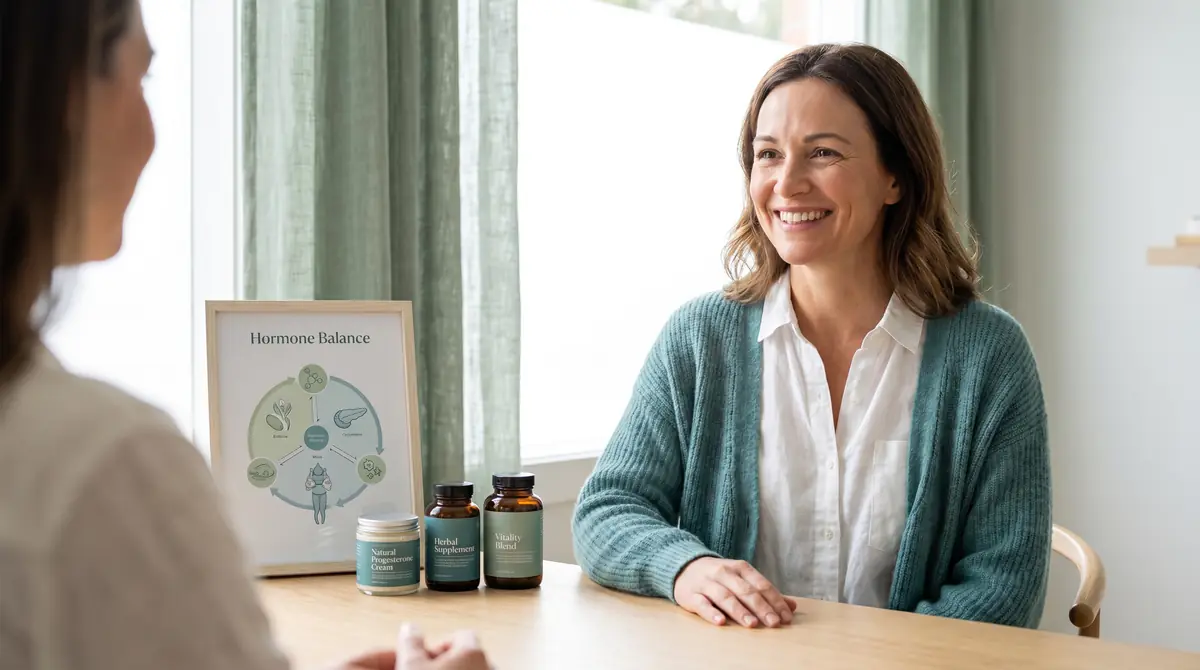
For some women, lifestyle changes are not enough on their own. That is when a bioidentical option may help. Bioidentical progesterone has the same molecular structure as the progesterone your body makes.
Hormony Pro delivers USP-grade bioidentical progesterone in a transdermal cream. You apply it to the skin, so it absorbs without passing through the digestive tract first. It is physician formulated and made in the U.S.A. in a GMP-certified facility. It may help support healthy hormone balance in women with symptoms of low progesterone. Examples include PMS discomfort or restless sleep late in the cycle.
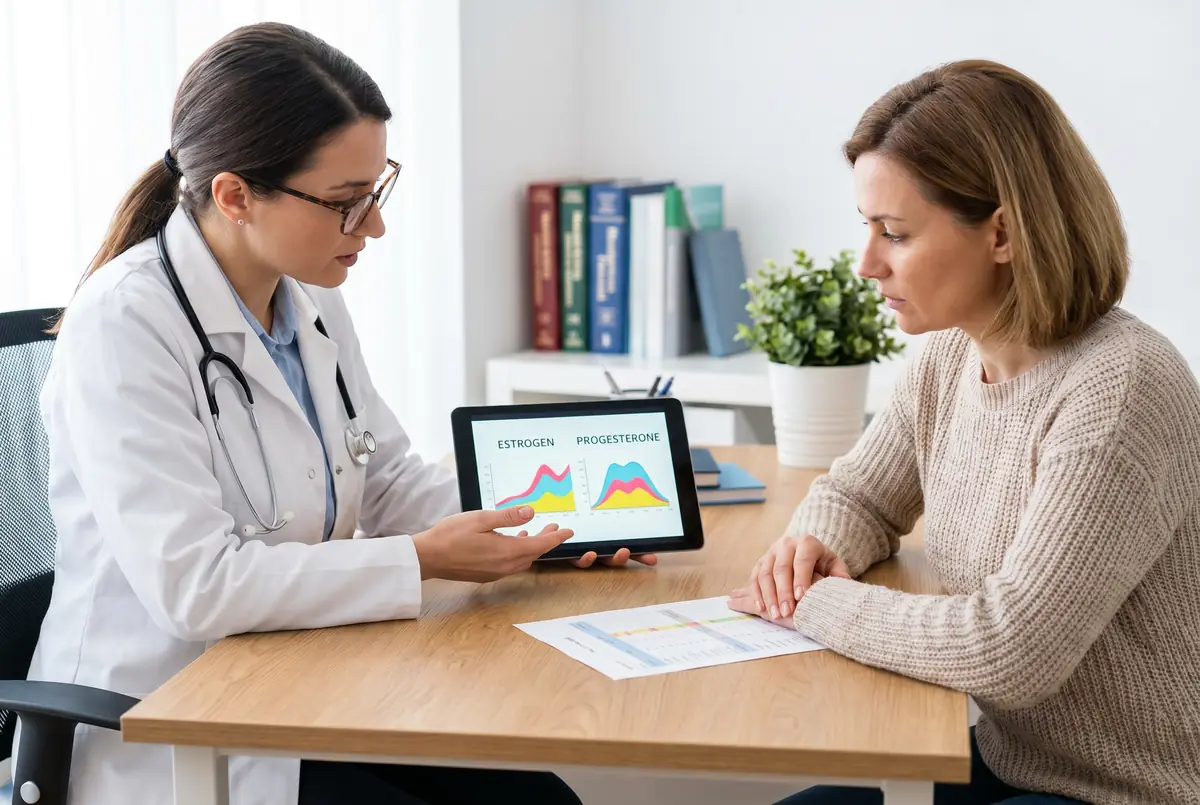
Please talk with your doctor before you start any hormone product. This is especially important if you are pregnant, nursing, taking medication or have a medical condition. Your doctor can help you decide on timing and whether testing makes sense for you.
If you want to learn more about how hormones connect, our book Are Your Hormones Making You Sick? explains hormone balance in plain language.
When to See a Doctor About Symptoms of Low Progesterone
Symptoms of low progesterone overlap with other conditions, including thyroid problems. So it is wise to get a proper evaluation. See your doctor if you notice any of the following:
- Very heavy bleeding or bleeding between periods
- Cycles that stop for three months or more
- Trouble getting pregnant or repeated pregnancy loss
- Mood changes that affect your daily life
A doctor who looks at the whole picture can check your hormones, your thyroid and your stress response together. At Taylor Medical Group, Dr. Eldred Taylor and I help women find the root cause of hormone symptoms. You deserve answers, not just reassurance that your labs look normal.
Your symptoms are real, and they are telling you something. Listen to them, track them and ask for help when you need it.
Questions about which formula fits you?
Call 678-443-4099 or Chat Now to find out more information and pricing on our supplements.
Visit www.taylormedicalgroup.net to find out about holistic doctors that can improve your health.
The information in this article is provided for educational purposes only and does not constitute medical advice. These statements have not been evaluated by the Food and Drug Administration. Any products mentioned are not intended to diagnose, treat, cure, or prevent any disease. Always consult your qualified healthcare provider before making changes to your health regimen. Full Medical Disclaimer
Dr. Ava Bell-Taylor, M.D.
Board-Certified Psychiatrist & Functional Medicine Physician
Dr. Ava Bell-Taylor is a board-certified psychiatrist and functional medicine physician with a Family Practice background, specializing in hormone balance, reproductive psychiatry, adrenal health, and the mind-body connection. She is the co-founder of Taylor MD Formulations and Taylor Medical Group in Atlanta, Georgia.
Learn more about Dr. Bell-Taylor