Selenium (as L-Selenomethionine)
Selenium is an essential cofactor for deiodinase enzymes — specifically type 1 and type 2 iodothyronine deiodinase — which convert the inactive thyroid hormone T4 to the active T3.
Selenium is an essential cofactor for deiodinase enzymes — specifically type 1 and type 2 iodothyronine deiodinase — which convert the inactive thyroid hormone T4 to the active T3. Without adequate selenium, T4 accumulates while T3 (the metabolically active form) remains deficient, producing hypothyroid symptoms despite normal T4 levels. Selenium also supports glutathione peroxidase — the primary antioxidant enzyme that protects the thyroid gland from hydrogen peroxide damage during hormone synthesis.
The most critical mineral for thyroid hormone activation. Many patients with hypothyroid symptoms have normal TSH and T4 but low T3 — this is often a selenium deficiency problem. L-selenomethionine is the most bioavailable organic form.
Multiple studies confirm selenium's role in T4-to-T3 conversion. A 2003 study showed significant reduction in thyroid peroxidase antibodies (TPO-Ab) in Hashimoto's patients with selenium supplementation. Studies also confirm reduction in postpartum thyroiditis risk.
200mcg daily is the therapeutic dose. Do not exceed 400mcg/day long-term (selenium toxicity risk). L-selenomethionine is preferred over selenite or selenate for superior bioavailability and safety.
* These statements have not been evaluated by the Food and Drug Administration. This content is for educational purposes only and is not intended to diagnose, treat, cure, or prevent any disease.
Shop Formulas With Selenium
4 formulas contain this ingredient
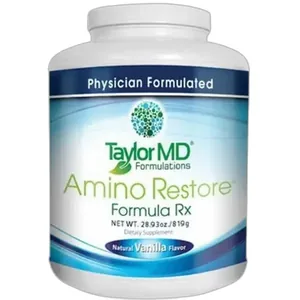
Amino Restore Vanilla™
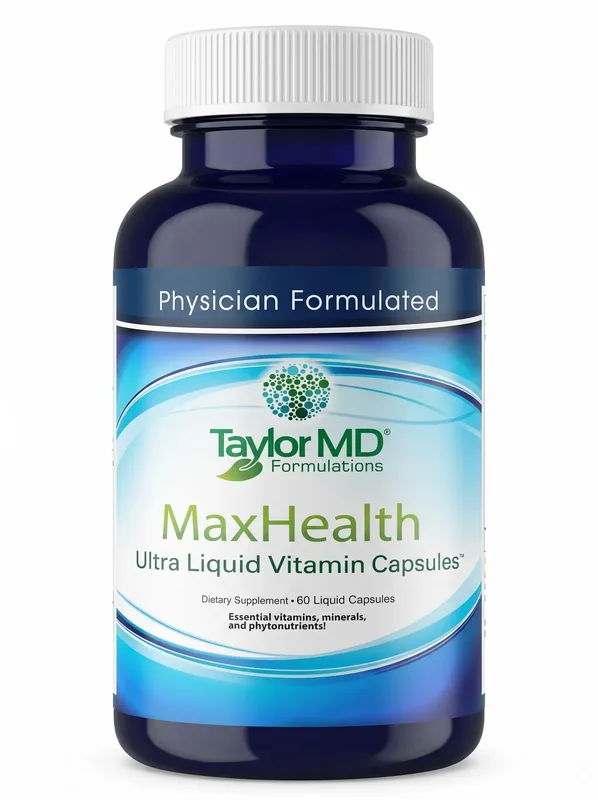
MaxHealth Multivitamin™
Thyroid Support™
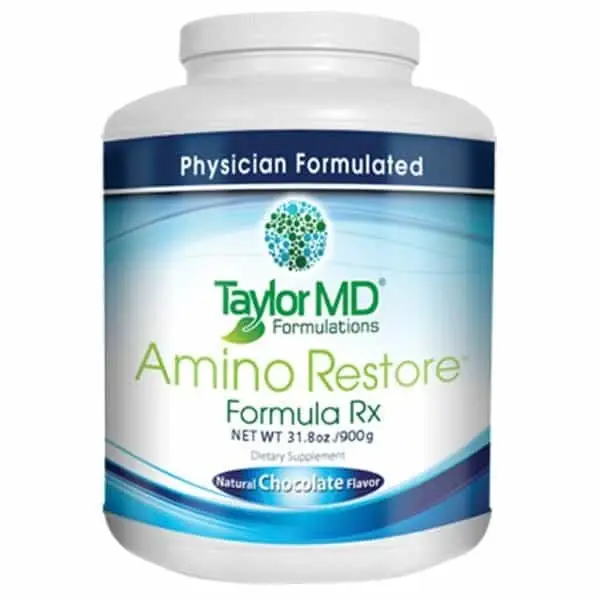
Amino Restore Chocolate™
Quick Facts
- Category
- Mineral
- Found In
- 4 Taylor MD formulas
- Reviewed By
- Dr. Eldred Taylor, M.D.