What food has protein? Patients ask me this all the time, often while planning a new way of eating. The short answer is that many foods do, from eggs to beans. In this post, I walk through the best high protein foods. I also cover how much you may need and easy ways to add more.
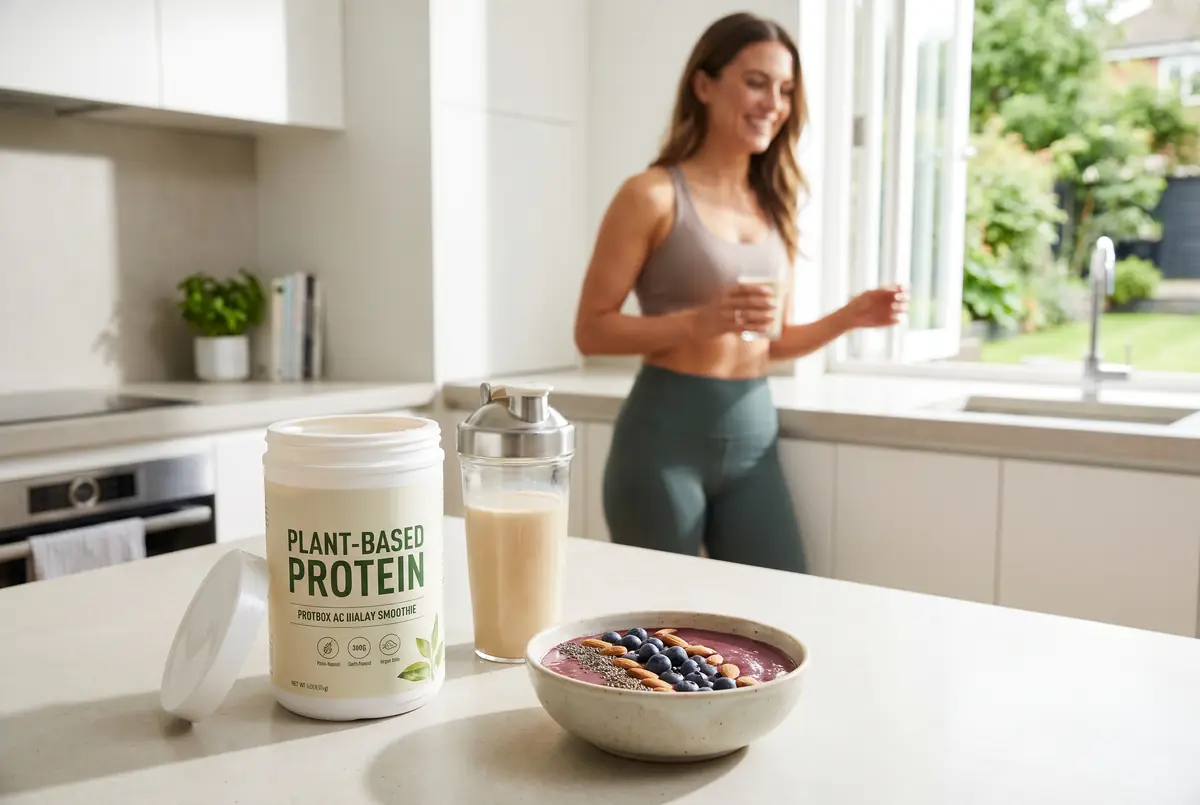
Some days, whole food alone is hard to manage. For those days, our Amino Restore Vanilla plant protein shake offers 28 grams of pea protein per two-scoop serving. It may help support your daily protein intake. Still, food comes first, so let us start there.
Why Protein Matters for Your Body
Protein is a building block for nearly every tissue. Your muscles, skin, hair and nails all rely on it. So do enzymes, many hormones and the antibodies of your immune system.
Protein is made of amino acids. Your body can make some of them. However, nine are "essential," which means you must get them from food. That is why the question of what food has protein matters so much.
Your body also does not store protein the way it stores fat. So you need a fresh supply every day. Knowing what food has protein makes that daily goal far easier to reach.
How Much Protein Do You Need?
The standard daily guide for healthy adults is 0.8 grams of protein per kilogram of body weight. Many people need more, though. Older adults, very active people and those recovering from illness often fall in that group.
Your needs depend on your age, health and activity. So ask your doctor or a dietitian for a target that fits you. This matters even more if you have kidney disease.
What Food Has Protein? Animal Sources
Animal foods provide all nine essential amino acids. Because of that, people call them complete proteins. Many people hunt for the one food with highest protein content, but variety matters more. Here are some common choices. If you eat meat, fish or dairy, the answer to what food has protein is close at hand.
Eggs
Eggs are cheap, quick and easy to cook. One large egg has about 6 grams of protein. The yolk adds vitamins and healthy fats too.
Fish and Seafood
Salmon, sardines, tuna and shrimp are all rich in protein. Fatty fish like salmon and sardines also supply omega-3 fats. Try to eat fish a couple of times a week.
Poultry and Lean Meat
Chicken and turkey breast are lean and high in protein. Lean beef and pork also count. Choose fresh cuts over processed meats like bacon and hot dogs when you can.
Cooking method matters as well. Baking, grilling and roasting keep added fat low. So when you think about what food has protein, think about how you prepare it too.
Dairy Sources of Protein
Greek yogurt, cottage cheese and milk all provide protein. Greek yogurt has more than regular yogurt because makers strain off the liquid. If dairy bothers you, plant options work well too.
What Food Has Protein? Plant Sources
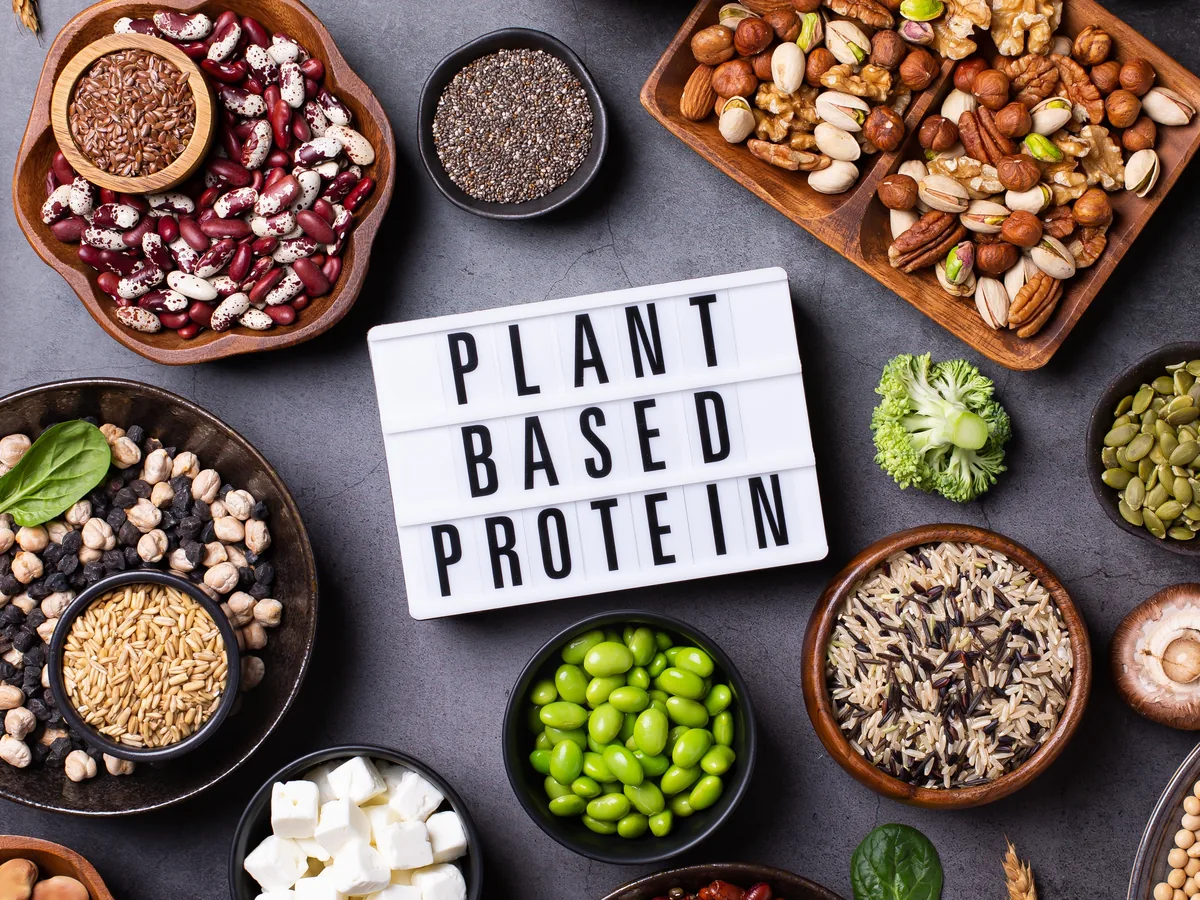
Plants can meet your protein needs too. You just need a little more variety. Mixing different plant foods over the day helps you get all the essential amino acids.
You do not need to combine them at every meal. Your body pools amino acids over the day. So for vegetarians, what food has protein is less about strict pairing and more about variety.
Beans, Lentils and Peas
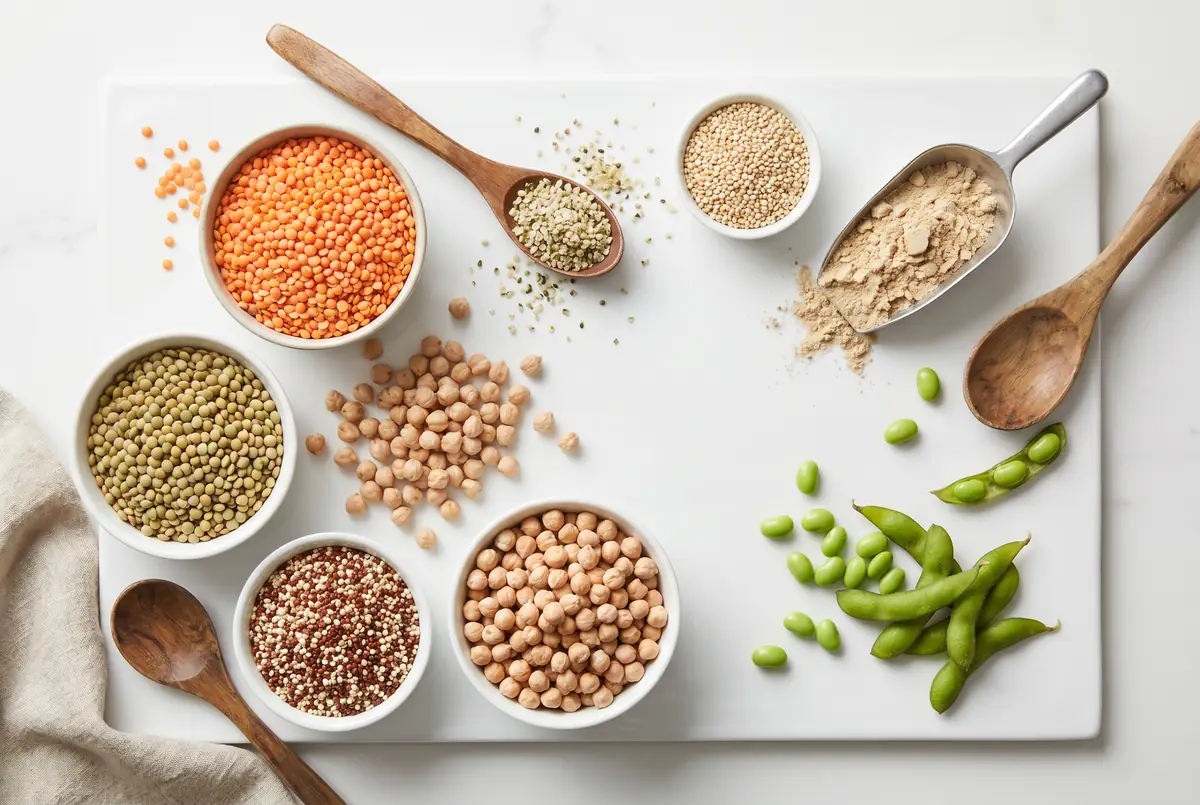
Beans and lentils lead the list. Along with chickpeas and split peas, they are some of the best high protein foods from plants. They also bring fiber, which supports healthy digestion. Add them to soups, salads and bowls.
Soy Sources of Protein
Tofu, tempeh and edamame come from soybeans. Soy is one of the few plant foods that is a complete protein. It also takes on the flavor of whatever you cook it with.
Nuts, Seeds and Whole Grains
Almonds, peanuts, pumpkin seeds and hemp seeds add protein and healthy fats. Quinoa, oats and buckwheat also add some protein. Still, these foods are high in calories, so watch portions of nuts.
Building Meals Around the Best High Protein Foods
Knowing what food has protein is the first step. The next step is spreading it across your meals. Many people eat little protein at breakfast and lunch, then a lot at dinner.
Start Your Day Strong
Try eggs, Greek yogurt or a protein shake in the morning. A protein-rich breakfast often keeps you full longer. It may also help you avoid a mid-morning snack attack.
Pair Protein With Plants
At lunch and dinner, fill half your plate with vegetables. Then add a palm-sized portion of protein. Finally, include a small serving of whole grains or starchy vegetables.
Snack Smart With Protein-Rich Foods
Good protein snacks include hard-boiled eggs and cottage cheese. Hummus, roasted chickpeas and a small handful of nuts work too. These keep you steady between meals.
Keep a few of these on hand at work or in your car. Then, when hunger hits, you already know what food has protein within reach. That simple step beats a trip to the vending machine.
What Research Says About Pea Protein
Pea protein comes from yellow split peas. It is dairy-free, so it suits people who avoid milk. It also lacks the common soy and gluten allergens.
A 2015 double-blind trial in the Journal of the International Society of Sports Nutrition studied pea protein [1]. It enrolled 161 young men doing upper-arm strength training for 12 weeks. They took pea protein, whey protein or a placebo twice a day [1].
In that trial, biceps muscle thickness rose in all groups. The difference between groups overall was only a trend [1]. However, among the weakest men at the start, pea protein led to greater thickness gains than placebo [1]. Also, the pea protein maker funded the study, which is worth knowing.
This study looked at pea protein as an ingredient, not at our product. It tells us that pea protein is a reasonable plant option for people building muscle.
When a Protein Shake Makes Sense
Whole foods should come first. Yet busy mornings, low appetite or travel can make that hard. In those moments, a shake can fill the gap.
Amino Restore Vanilla uses pea protein isolate. It also includes a vitamin and mineral blend, plus digestive enzymes. If you prefer chocolate, our Amino Restore Chocolate protein shake is another option. You can compare both in our amino acid and protein supplements collection.
Mix it with water, almond milk or your favorite liquid, as the label suggests. Some people use it after a workout. Others use it as part of breakfast.
Who Should Check With a Doctor First?
Talk with your doctor before you add a shake if you are pregnant or nursing. The same applies if you take any medication. Also check first if you have kidney or liver disease. Your doctor may want you to follow a specific protein target.
If you are unsure what food has protein that suits your health needs, bring a food log to your visit. It gives your care team a clear starting point.
Protein Foods Through Life Stages
Protein needs shift as you age. After midlife, many adults slowly lose muscle. Enough protein, along with strength training, helps maintain muscle and strength.
Women in perimenopause and menopause often ask me what food has protein that is easy to prepare. Eggs, yogurt, canned fish and beans are simple choices. Also, a shake can help on busy days.
Older adults often eat less as appetite fades. Yet their muscles may need more protein, not less. So I encourage protein at every meal, even if portions are small. A little at breakfast, lunch and dinner adds up.
Teens and very active adults also have higher needs. For them, what food has protein comes down to convenience. Easy snacks and planned meals keep them on track.
At Taylor Medical Group, we look at nutrition as part of healthy aging. Our longevity services in Atlanta pair nutrition with labs, hormones and lifestyle care. That way, your plan matches your body and your goals.
Other Nutrients That Help Your Body Use Protein
Protein works best when other nutrients are on hand. Vitamin B6 helps your body break down protein, and bananas, fish and potatoes supply it. Vitamin C from citrus and peppers helps your body build collagen. Zinc and magnesium help your muscles repair after exercise. Fiber slows digestion, so you stay full longer after a protein meal. Our Amino Restore shake adds vitamins, minerals and digestive enzymes to plant protein. Talk with your doctor about your protein needs if you have kidney disease.
Common Questions About What Food Has Protein
Here are short answers to a few questions I hear often. They may help you plan your next grocery trip.
What Food Has Protein but Little Fat?
Skinless chicken or turkey breast, white fish, shrimp, egg whites and plain Greek yogurt are lean choices. Beans and lentils are low in fat too. Also, most of these are easy to cook in bulk for the week.
What Food Has Protein for Breakfast on the Go?
Hard-boiled eggs, a yogurt cup or a protein shake travel well. You can also make overnight oats with milk, chia seeds and nut butter. Then grab the jar on your way out the door.
Is There One Food With Highest Protein?
Not really, and that is good news. Lean meat, fish, eggs and soy all rank near the top. Beans and lentils follow close behind. So instead of chasing one food with highest protein, mix several you enjoy.
Can You Eat Too Much Protein?
For most healthy adults, a balanced high-protein diet is fine. Still, very high intakes may not suit people with kidney disease. So check with your doctor if you have kidney concerns, diabetes or take many medicines.
Is Protein Powder Better Than Food?
No. Food gives you fiber, vitamins and other nutrients that work together. A shake is a helpful backup on busy days, not a full swap for meals. That is why I always ask patients what food has protein in their pantry before we talk about powders.
References
- Babault N, Païzis C, Deley G, Guérin-Deremaux L, Saniez MH, Lefranc-Millot C, Allaert FA. Pea proteins oral supplementation promotes muscle thickness gains during resistance training: a double-blind, randomized, Placebo-controlled clinical trial vs. Whey protein. J Int Soc Sports Nutr. 2015;12(1):3. PubMed
Questions about which formula fits you?
Call 678-443-4099 or Chat Now to find out more information and pricing on our supplements.
Visit www.taylormedicalgroup.net to find out about holistic doctors that can improve your health.
The information in this article is provided for educational purposes only and does not constitute medical advice. These statements have not been evaluated by the Food and Drug Administration. Any products mentioned are not intended to diagnose, treat, cure, or prevent any disease. Always consult your qualified healthcare provider before making changes to your health regimen. Full Medical Disclaimer
Dr. Ava Bell-Taylor, M.D.
Board-Certified Psychiatrist & Functional Medicine Physician
Dr. Ava Bell-Taylor is a board-certified psychiatrist and functional medicine physician with a Family Practice background, specializing in hormone balance, reproductive psychiatry, adrenal health, and the mind-body connection. She is the co-founder of Taylor MD Formulations and Taylor Medical Group in Atlanta, Georgia.
Learn more about Dr. Bell-Taylor