In this guide, we explore everything you need to know about ashwagandha and l-theanine together benefits — from the science behind it to practical steps you can take starting today.
Do you ever experience days when you are feeling overly stressed, anxious, or simply fatigued? If yes, you’re not the only one. Life is like a roller coaster, after all. If you are looking for an alternative solution that can provide properly balanced mental health, Ashwagandha and L-theanine are supplements worth considering.
Ashwagandha and L-theanine are two more compounds being marketed for their wide range of potential health benefits. They work as adaptogens, providing immense value to the body while tackling biological or mental stress. Furthermore, they provide critical antioxidant support, which helps mitigate further damage.
Because of their ability to diminish anxiety, enhance cognitive function, and boost energy, Ashwagandha and l-theanine supplements are cherished all over the world. Ashwagandha is an Ayurvedic herb native to India, while the tea plant responsible for many forms of l-theanine primarily thrives in Japan.
Nonetheless, there are some significant differences. Meanwhile, scientists documenting the use of Ashwagandha have focused on its ability to relieve inflammation and claim it helps support the immune system, while l-theanine’s use has mostly been for improving concentration and moderating some aggressive behaviors. All the same, they appear to have unfathomable potential and are well-supported. To sum it up, Ashwagandha and l-theanine, together, form an incredibly potent combination.
Determining their suitability for your needs is quite perplexing, so let us delve deeper into Ashwagandha and l-theanine. Together, we will focus on the pros of each and scrutinize the impact each has on the American’s body, first separately, then side by side. So, thank you for tagging along on this essential journey where we learn more about how herbs, vitamins, and amino acids come together to empower life – we hope you learn something new today!
Ashwagandha Benefits
Ashwagandha is an herb used primarily in Ayurvedic medicine, and it has been used since antiquity. Ashwagandha extraction starts from the Indian herb Withania somnifera, more known as “ashwagandha,” “Indian ginseng,” or “winter cherry.” Like all other ginseng, Withania contains ginsenosides and polar saponin glycosides (withanolides). Withanolide extraction is time-consuming and expensive, but it has many health benefits, including anxiety and inflammation reduction, blood sugar and adrenal improvement, oxidative damage control, and immune system support. Withanolides have also improved sleep health, cardiovascular health, mental health, immune support, inflammation, and even enhanced memory and cognitive function, providing protection to brain cells.
Studies show that Ashwagandha has tremendous effects on treating chronic fatigue, depression, and several other health concerns. It has also shown great promise in relieving inflammation, which makes it a great natural remedy for those suffering from arthritis and other inflammation-related joint pain.
Ashwagandha is an herb that has been utilized for ages in Indian Ayurveda. Ashwagandha or Withania somnifera is called “Indian ginseng” or “winter cherry”. The extract of Ashwagandha called withanolides has numerous benefits, including reducing anxiety and inflammation, aiding blood sugar and adrenal functions, boosting the immune system, and “preventing oxidative damage. Besides reducing inflammation, withanolides have improved rest, sleep, mental health, and heart support. Additionally, withanolides have been found to help with memory and thinking skills while shielding the brain against harm.
It has also been tried on ADHD patients as an adaptogen and found to have positive weight gain effects on individuals suffering from lack of appetite. This is useful in helping patients who struggle to consume healthy food due to low motivation. Dietary supplements can be very useful when added to Ashwagandha. There are even claims that Ashwagandha can improve one’s chances of conception.
Ashwagandha and its Role in Stress Management
Several studies have confirmed that stress management is one of the most noted benefits of Ashwagandha. This herb has been found to lower cortisol levels, which is the stress hormone.
Today, there is great interest in Ashwagandha because of its role as a stress reliever. It helps the body deal with stressors. Ashwagandha has been shown to enable a reduced bodily response to stress-inducing elements while simultaneously boosting the body’s general coping level. With the help of Ashwagandha, stress levels can be controlled, which helps manage cortisol levels – an important factor for brain health and its role in emotion and mood. Ashwagandha has been known to have a positive correlation with symptoms of anxiety and depression.
Ashwagandha and Improved Cognitive Functions
Furthermore, Ashwagandha has been discovered to improve cognitive functions and memory. In one study, the herb improved memory and cognitive tasks of individuals suffering from mild cognitive disorders. In another study, It was shown to improve the attention span, task performance, and even reaction time of healthy adults.
Ashwagandha Enhances Energy
Ashwagandha as a whole is linked to numerous positive effects and benefits, in particular enhancing energy levels. The herb is capable of increasing norepinephrine, a neurotransmitter that regulates energy levels in the body. Furthermore, research indicates that Ashwagandha improves stamina and decreases fatigue.
In line with Ashwagandha’s recommended dosage, it is advised to talk to a specialist first. Adults willing to take Ashwagandha may try doses around 300 mg to 1000 mg daily. Although some research shows safety in much higher doses, it is best to start lower and see how one’s body responds to it. Many forms of Ashwagandha are accessible, and all have different dosages, so one should look carefully at the entire label and choose the dosage that suits him or her best before embarking on a dosage regimen.
Best Time To Take Ashwagandha
The most commonly asked question regarding this herbal supplement is, “When do I take it?” Generally, Ashwagandha is best consumed with meals or in capsule form once or twice a day, preferably after a meal. Extracts or tinctures are best taken up to three times daily, always separate from meals. There are other forms, such as tea or smoking, where the timing is somewhat different for each method. Like always, with supplements and herbs, a medical professional should be consulted, especially if someone is self-prescribing Ashwagandha, for more guidance on medication.
L-Theanine Benefits
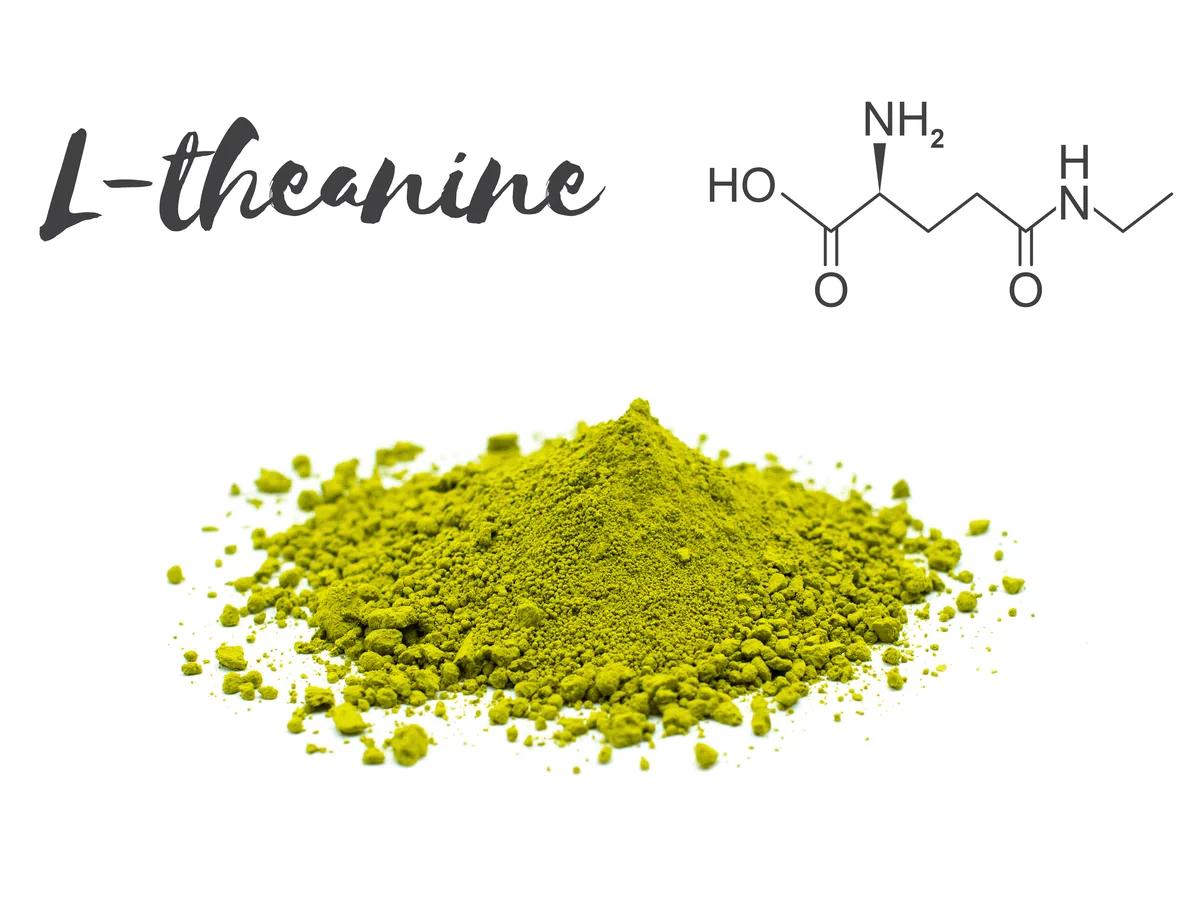
L-theanine is beneficial in various ways. It can promote calmness and relaxation. It is also an amino acid found in various foods, such as tea leaves and certain species of mushrooms. In addition to boosting the flavor of cuisines, this ingredient is extremely helpful to the human body.
L-Theanine Benefits for the Brain
L-theanine is regarded as helpful in producing gamma-aminobutyric acid (GABA), which is needed for relaxation response to stress. In doing so, some experts believe this compound crosses the blood barrier to facilitate interaction with the central nervous system. Imagine supporting the neural processes that have healing effects on the human body. This natural substance has remarkable health effects, which are now being harnessed by many, and the issue is, why not you?
Other than promoting relaxation and assisting in the improvement of one’s focus and cognitive abilities, L-theanine also has hydrating benefits. One study showed that relaxation helps reduce blood pressure. It has also been reported to boost the levels of serotonin and dopamine in the brain, thus improving one’s mood and alleviating the blues.
The latest research shows that l-theanine effectiveness on anxiety has been noted. Research proves that between 200 mg and 600 mg of l-theanine supplement can greatly reduce the symptoms of anxiety disorders with minimal side effects, if any. With regards to its calming effects, l-theanine might be beneficial in treating patients with severe chronic anxiety. In addition to relaxing the patient, it has the added advantage of sedation-free treatment. Because the patient remains awake and alert, it is very helpful for treating anxiety. L-theanine aids in mental relaxation, which brings about calmness, helps reduce stress and allows the person to remain relaxed and collected throughout the day.
Clinical studies have recorded that L-theanine successfully lowers the heart rate while raising the alpha brain wave frequency in the patient, thus giving a sense of calmness and relaxation. The alpha brain waves not only heighten alertness but also improve creativity, which makes one feel good.
L-Theanine And Inflammation
Research indicates that L-theanine does help reduce whole-body inflammation. The amino acid is important in lowering the pro-inflammatory cytokines, which are key molecules in any inflammation. Besides, L-theanine is capable of blocking the synthesis of nitric oxide, a cell-damaging cytokine that causes inflammation.
L-Theanine And Heart Health Or Cardiovascular Diseases
Another benefit attributed to L-theanine is the improvement of heart health, which comes from lowered blood pressure and cholesterol values. One study showed that this amino acid decreased systolic blood pressure by 2-3 mmHg in hypertensive patients. Another study observed that in patients with high cholesterol levels, L-theanine was able to reduce LDL levels by 6%.
The Ideal Timing to Consume L-Theanine
The ideal timing to take Theanine will depend on the intended goal. To reduce anxiety over a longer period, l-theanine should be taken once or twice daily to increase tolerance. If it is being used for heightened focus and alertness, it is best to take it before strenuous exercises or any focused work. It can also be integrated into an overall sleep hygiene regimen where a small dose is taken at night, and a dose of 20-30mg taken 20-30 minutes before sleeping helps greatly in falling asleep faster and having a restful night.
Which one is better for you: Ashwagandha vs L-theanine
Natural remedies have always been used to improve one’s health, as well-being is associated with both Ashwagandha and L-theanine. Both can aid in relaxation and managing stress, but in different manners. Ashwagandha treats anxiety and stress by decreasing the levels of cortisol. On the other hand, Theanine works differently by enhancing how the brain functions. Theanine improves focus, reduces irritability, eases anxieties, and soothes overall.
Determining the most appropriate supplement solely depends on your personal requirements. If you have severe anxiety or stress, Ashwagandha could be the answer. Meanwhile, if your problems run deeper into a lack of focus or issues with/needing a calming effect, then L-theanine is wonderful. All supplements have unique and special factors, and these two are no different. When unsure, both supplements can be taken.
Choosing the best Ashwagandha or l-theanine supplement comes down to accurate research in your area of health and your specific goals. Considering factors that matter most to you, like sleep, relaxation, and energy levels, will help you decide which supplement will serve your needs.
Where can you find Ashwagandha and L theanine?
Ashwagandha and L-theanine are usually taken together—they offer synergetic benefits. Aidlearn notes that Ashwagandha originates from China and India, whereas Europe cultivates it. Both compounds are said to be cheap and effective. Buying Ashwagandha and L-theanine Edagard System Review or other dietary supplements should not be a problem, as they are readily available.
Ashwagandha Side Effects
Ashwagandha Side Effects Ashwagandha Side Effects: What To Keep An Eye On “ With Ashwagandha, like many other naturally sourced ingredients, excessive amounts can lead to negative consequences. An overdose of Ashwagandha will result in signs and symptoms that include digestive issues, vomiting, mouth dryness, disorientation, headache, and nausea. Overeating Ashwagandha also has a likelihood of making a person more drowsy than average while having mood swings.”
Nonetheless, the symptoms are likely to improve for many people after stopping or reducing their ashwagandha intake. If signs persist, professional help should be sought. Note that this herb can also interact with other medications and herbs, which may be sedative or cause insomnia. As explained above, Ashwagandha should be especially avoided by pregnant or nursing women until more clinical studies are done. Caution is also recommended for patients on blood thinners who are considering taking this herb because some clinical studies have expressed concern about possible interactions. In all cases, a healthcare professional should be consulted about any new regimen for health and well-being.
If you are pregnant or breastfeeding, be sure to check with your doctor before taking Ashwagandha, as it may not be safe for you.
L-Theanine Side Effects
L Theanine generally does not pose dangers or side effects to the majority. Some mild headaches as a side effect do seem plausible. It is suggested that before breastfeeding or becoming pregnant, you speak to your physician. Furthermore, if you are under medication, having a conversation with a holistic doctor is imperative because L Theanine does not go well with some medications.
Conclusion
As we have said, the health benefits of Ashwagandha and L theanine are tremendous. They manage stress and fatigue while boosting immunity and cognitive and cardiovascular functions. Supplementing using Ashwagandha or l theanine dosage especially helps those suffering from chronic fatigue or high-stress levels. In summary, Ashwagandha and l theanine have a multitude of benefits to health while being able to relieve stress, which could profoundly change a person’s life for the better; for anyone wanting to feel better and healthier, incorporating such natural products to achieve that goal is hands down the most efficient method. Every action towards achieving better health matters and is a step in the right direction.
Questions about which formula fits you?
Call 678-443-4099 or Chat Now to find out more information and pricing on our supplements.
Visit www.taylormedicalgroup.net to find out about holistic doctors that can improve your health.
The information in this article is provided for educational purposes only and does not constitute medical advice. These statements have not been evaluated by the Food and Drug Administration. Any products mentioned are not intended to diagnose, treat, cure, or prevent any disease. Always consult your qualified healthcare provider before making changes to your health regimen. Full Medical Disclaimer
Dr. Ava Bell-Taylor, M.D.
Board-Certified Psychiatrist & Functional Medicine Physician
Dr. Ava Bell-Taylor is a board-certified psychiatrist and functional medicine physician with a Family Practice background, specializing in hormone balance, reproductive psychiatry, adrenal health, and the mind-body connection. She is the co-founder of Taylor MD Formulations and Taylor Medical Group in Atlanta, Georgia.
Learn more about Dr. Bell-Taylor